Finding a Reputable Dog Breeder in British Columbia
Choosing a breeder is one of the most important decisions you can make before bringing home a puppy. A responsible breeder does more than produce puppies. They protect health, temperament, early socialization, and the long-term welfare of the dogs they bring into the world.
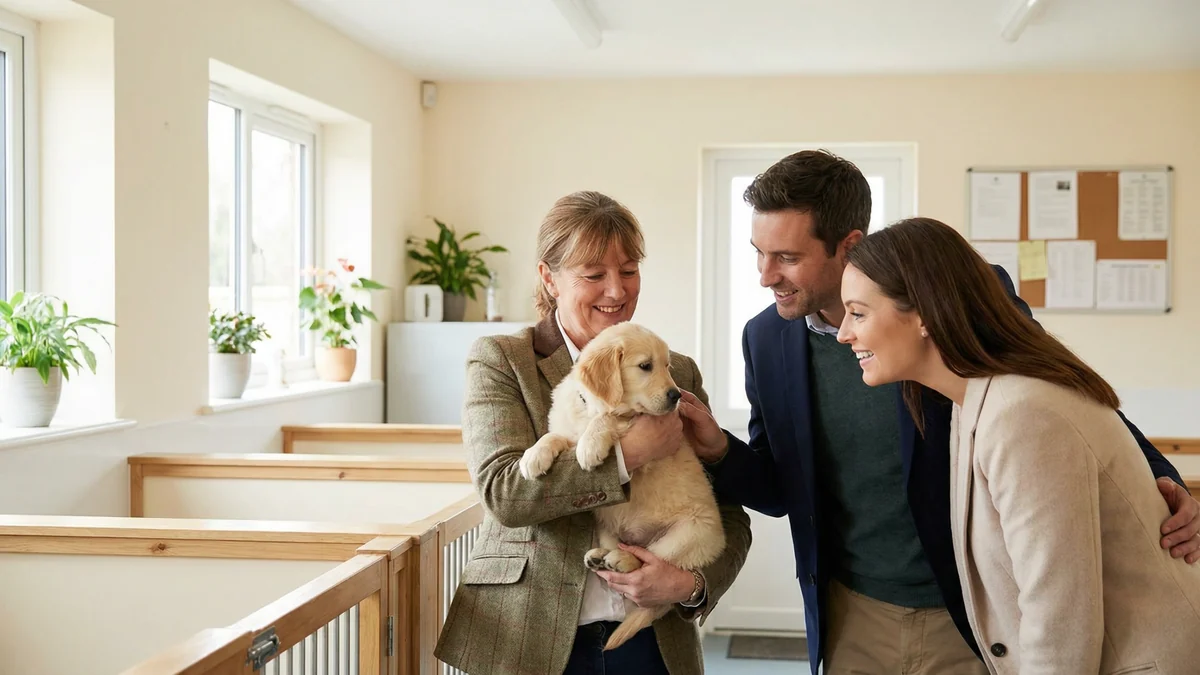
In British Columbia, a careful search takes patience. The right breeder should welcome your questions, show you how the dogs live, provide health-testing information, and be just as interested in your home and lifestyle as you are in their puppies.
Quick Answer
Start with breed clubs, the Canadian Kennel Club, referrals from knowledgeable owners, and welfare-focused guidance from organizations such as the BC SPCA. Avoid breeders who will not show where puppies are raised, cannot explain health testing, always have puppies available, or seem more interested in payment than fit.
What Responsible Breeders Do
A responsible breeder usually specializes in one breed, or occasionally two closely related breeds. They know the breed’s health risks, temperament, grooming needs, exercise needs, and common challenges. They should be honest about both the joys and the difficulties of living with that breed.
Good breeders plan litters carefully. They screen parent dogs for relevant inherited conditions, raise puppies in a clean and enriching environment, begin gentle socialization, provide veterinary care, and place puppies with homes that suit the breed and the individual puppy.
They also remain a resource after the sale. If your circumstances change, a responsible breeder should want the dog returned to them rather than abandoned, resold, or surrendered without support.
Where to Look in BC
| Resource | How it helps | What to remember |
|---|---|---|
| Canadian Kennel Club | Offers breed information and breeder-search tools for registered purebred dogs. | Registration alone is not a guarantee. You still need to ask about health testing, temperament, and puppy raising. |
| Breed clubs | Breed-specific clubs may know long-standing breeders and breed-specific health concerns. | Ask what code of ethics members follow and how breeder referrals are screened. |
| Veterinarians and trainers | Local professionals may know which breeders produce healthy, stable dogs and which ones raise concerns. | Ask for patterns, not gossip. A single opinion is not enough. |
| BC SPCA guidance | Provides welfare-focused questions and red flags for avoiding irresponsible sellers. | Use their checklist before contacting any breeder. |
The Legal Picture in BC and Vancouver
Knowing what the rules actually are makes the red flags easier to spot.
- No provincial breeder licence exists. British Columbia does not license or inspect dog breeders as a matter of course. Anyone can call themselves a breeder. The Prevention of Cruelty to Animals Act sets minimum standards of care that the BC SPCA can enforce, and the BC SPCA publishes voluntary breeder standards, but “licensed breeder” is not a credential you can verify in BC.
- Vancouver bans the sale of dogs in pet stores. Since 2017 the City has prohibited pet stores from selling dogs, cats and rabbits; stores may only offer animals from shelters and rescues for adoption. A Vancouver storefront selling puppies is breaking the bylaw.
- CKC registration is a pedigree record, not a welfare guarantee. Canadian Kennel Club papers confirm lineage and that the breeder is a member bound by the club’s code of practice. They do not mean the dog has been health tested or the premises inspected. Ask for the health-test results themselves.
- Puppies must be licensed once home. The City of Vancouver requires a licence for every dog; our licensing guide covers timing and fees.
Deposit Scams: The Most Common BC Complaint
Online puppy fraud is now a bigger practical risk for Lower Mainland buyers than a bad kennel. The pattern is consistent: a listing on a classifieds site or social media with stock or stolen photos, a price well below what the breed normally commands, a breeder who is conveniently out of town or on the Island, pressure to send an e-transfer deposit to “hold” the puppy, and then a second request for shipping, a crate or vaccines. The puppy does not exist.
Protection is simple: never pay a deposit for a dog you have not met in person or on a live video call where you name the actions; insist on visiting where the puppies are raised; be suspicious of any breeder who offers to deliver to a parking lot; and treat a price far below the going rate as the warning it is. If you are scammed, report it to the Canadian Anti-Fraud Centre and to the platform that hosted the listing.
Green Flags and Red Flags
| Green flags | Red flags |
|---|---|
| Lets you see where the puppies and parent dogs live. | Refuses visits or insists on meeting in a parking lot or neutral location only. |
| Explains breed-specific health testing and provides documentation. | Uses vague phrases like “vet checked” instead of actual test information. |
| Asks you questions about your home, schedule, experience, and expectations. | Will sell to anyone who can pay quickly. |
| Raises puppies in a clean, social, appropriately supervised setting. | Puppies are isolated, dirty, fearful, lethargic, or hard to handle. |
| Uses a written contract and offers long-term support. | No contract, no return policy, and little interest after payment. |
| Specializes carefully and breeds infrequently. | Always has multiple litters or many trendy breeds available. |
Questions to Ask a Breeder
- Why did you choose this pairing?
- What health tests are recommended for this breed, and can I see documentation for the parents?
- Can I meet the mother, and the father if he is on site?
- Where are the puppies raised?
- How are the puppies socialized before going home?
- What temperament differences are you seeing in this litter?
- How do you decide which puppy goes to which home?
- What food, schedule, and veterinary care will the puppy have before pickup?
- What happens if I cannot keep the dog later in life?
- What support do you offer after the puppy comes home?
Turn Answers Into Evidence Before a Deposit
Keep a record for each breeder: the question, answer, document or observation supporting it, and anything unresolved. Friendly communication is welcome, but it does not replace verification.
- Health testing: Ask which parent each result belongs to, what was tested and what the result does and does not establish. Ask a veterinarian to explain unfamiliar terms.
- Living conditions: Confirm how you can see where the puppy was raised, with reasonable health precautions.
- Agreement: Read the proposed deposit, pickup, health and return terms before paying. Ask for unclear wording to be explained.
- Fit: Record the daily care and temperament challenges, not only the attractive traits.
Compare your notes with the BC SPCA breeder guidance. Pause if important evidence is missing or you are pressured to decide immediately. Once the decision is made, use the first vet visit guide to prepare the health-record handoff.
Contract and Long-Term Support
A responsible breeder should use a written contract that explains what both sides are agreeing to. Read it before sending a deposit, and ask questions if anything is unclear.
- What health information, registration details, and veterinary records are included?
- What happens if a serious health issue appears after the puppy comes home?
- Does the breeder require the dog to be returned to them if you cannot keep the dog later?
- Are there spay/neuter, breeding, or show requirements you need to understand?
- Will the breeder answer questions after pickup about food, grooming, training, and transition problems?
The return-policy question matters. A breeder who takes lifelong responsibility for the dogs they produce is showing a very different level of care than someone who disappears after payment.
Before You Bring a Puppy Home
Once you have chosen a breeder and are waiting for your puppy, use that time well. Choose a veterinarian, plan vaccination timing, puppy-proof your home, gather supplies, and decide how you will handle feeding, sleep, house training, alone time, and early socialization.
If you live in Vancouver, it helps to think about city life from the start: elevators, traffic noise, wet sidewalks, stairs, other dogs, patios, visitors, and busy parks. Gentle, positive exposure matters, but young puppies also need protection until your veterinarian says higher-traffic areas are appropriate.
For more preparation, see our guide to preparing your home for a new puppy and our article on house training a puppy in Vancouver.
Before Puppy Care Plan
Before pickup day, line up the practical support your puppy may need during the first months.
- Vet appointment, vaccination plan, supplies, safe space, and bathroom routine.
- Workday coverage, puppy-safe walks, gradual socialization, and emergency contact.
- A realistic plan for training, handling, grooming, and future care when you travel.
FAQ
Is CKC registration enough to prove a breeder is responsible?
No. Registration can be useful, but it does not replace health testing, careful puppy raising, transparency, and responsible placement.
Should I avoid every breeder with puppies available?
Not automatically. Sometimes a planned home falls through. But a breeder who always has puppies available, especially across several breeds, deserves extra scrutiny.
What if a breeder will not let me visit?
There may be reasonable timing or biosecurity limits, but a complete refusal to show where dogs live is a serious concern. Ask for a video visit if an in-person visit is not possible at first.
Should I adopt instead?
Adoption can be a wonderful option, and so can working with a responsible breeder. The important thing is to avoid impulse purchases and choose a source that puts dog welfare first.
Related Reading
- Choosing the right dog for your Vancouver lifestyle
- Adopting a rescue dog in Vancouver
- How to choose a veterinarian in Vancouver
- Puppy socialization in Vancouver
- Ask about care when your puppy is ready
- Most Popular Dog Breeds in Canada
- Puppy Vaccination Schedule and Why It Matters