Adopting a Rescue Dog in Vancouver
Adopting a rescue dog in Vancouver can be one of the best decisions you make, but it helps to go in prepared. Many rescue dogs need time, routine, and calm support while they learn that their new home is permanent.
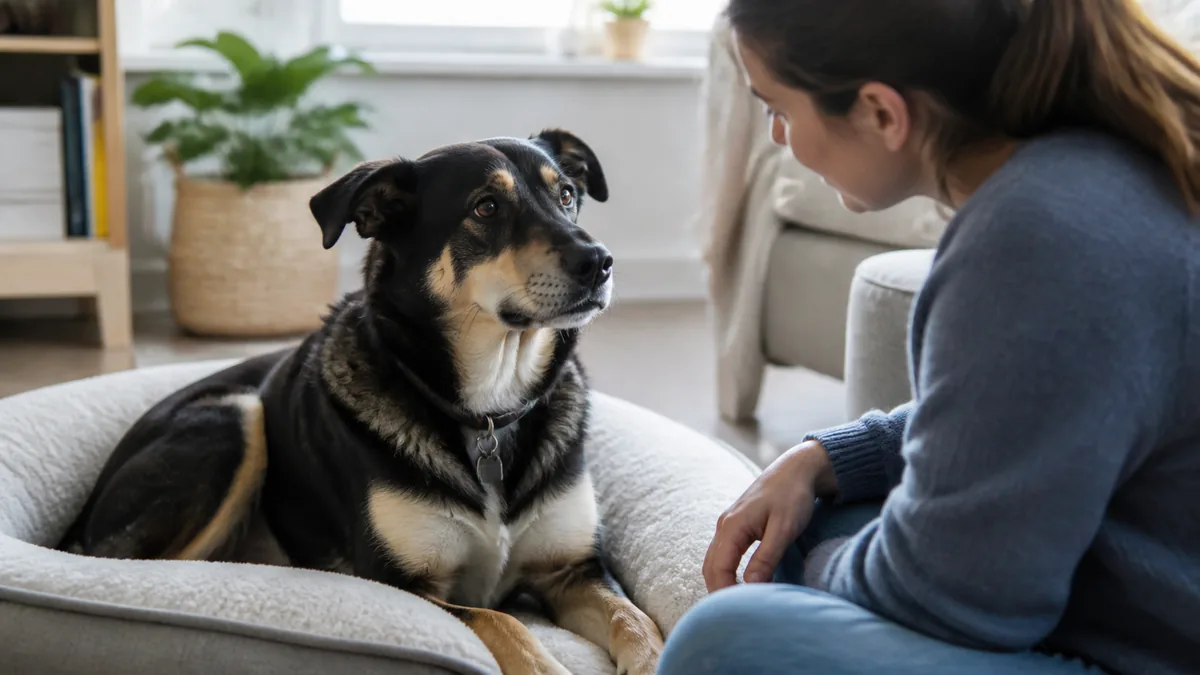
At Marpole Dog Walking & Boarding Service, we care for a small number of dogs in a kennel-free, in-home setting in Marpole and South Vancouver. Over the years, we have worked with many rescue dogs: shy dogs, seniors, nervous small breeds, energetic young dogs, and dogs who simply needed consistency. This guide explains where to look, what the adoption process usually involves, and how to help your new dog settle in safely.
Quick starting point: Start with reputable local shelters and rescues, read each dog’s profile carefully, ask specific questions about temperament and health, and plan for a quiet adjustment period before adding busy dog parks, daycare, or crowded social settings.
Is a Rescue Dog Right for You?
Rescue adoption is a wonderful fit for many Vancouver households, but the best match depends on your home, schedule, building rules, activity level, and comfort with training. A calm adult dog may be easier than a puppy. A senior dog may be perfect for a quieter household. A young, energetic dog may need more structure, exercise, and management than the profile suggests at first glance.
Think about the life you can realistically offer, not just the kind of dog you love in photos. The right match is not always the cutest profile. It is the dog whose needs fit your daily routine.
Before you apply, use our guide to choosing the right dog for your Vancouver lifestyle to compare housing, schedule, energy, care, and budget.
Where to Adopt a Rescue Dog in Vancouver
These are useful starting points when researching rescue adoption in Vancouver and the Lower Mainland. Availability, fees, and requirements change often, so always check each organization’s current listings and adoption process directly.
- BC SPCA: A major provincial animal welfare organization with adoptable dogs throughout B.C., including the Lower Mainland. Its process starts with online profiles and an adoption application, followed by a conversation with staff or volunteers if you may be a match.
- Vancouver Animal Services: The City of Vancouver’s animal shelter and adoption service. Animal Services lists adoptable dogs online, reviews applications for compatibility, and uses meet-and-greet appointments rather than public walk-through browsing.
- Aniband Rescue: A volunteer-run rescue based in Goyang City, South Korea, that rescues stray, homeless, injured, and abandoned dogs, including dogs from the dog meat trade, and re-homes them in Korea, North America, and Europe. Check Aniband Rescue’s current listings and adoption process directly.
- Foster-based rescues: Many Lower Mainland rescues work through foster homes. These can be valuable because foster caregivers may know how a dog behaves in a real home, around stairs, elevators, traffic, other dogs, and daily routines.
- Senior-dog and breed-specific rescues: If you are open to an older dog or have experience with a specific breed type, specialized rescues may be worth following. Read requirements carefully and be honest about your experience.
Before You Apply: Vancouver Questions to Ask
- Does your building, landlord, or strata allow dogs of this size or breed?
- Can you handle extra bathroom breaks during the first few weeks?
- Is the dog comfortable with elevators, traffic, rain, construction noise, and urban sidewalks?
- Do you have a plan for veterinary care, a Vancouver dog licence, food, training, and backup care?
- If the dog is anxious, can you avoid daycare, dog parks, and busy social settings at first?
- Do you have calm walking routes nearby, such as quiet Marpole side streets, Fraser River paths, or less crowded park times?
What the Adoption Process Usually Looks Like
Reputable rescues are trying to create lasting matches, so the process is usually more careful than simply choosing a dog and taking them home immediately.
- Browse current profiles. Read the full description, not just age, breed, and photo.
- Submit an application or questionnaire. Expect questions about your home, schedule, dog experience, other pets, children, and expectations.
- Speak with shelter or rescue staff. If you may be a match, they may discuss the dog’s behaviour, medical history, and ideal home.
- Attend a meet-and-greet. This may happen at the shelter, in a foster home, or at another approved location. Bring all household members if requested. If you already have a dog, ask whether they should attend too.
- Complete the adoption. If the match is approved, you will usually sign an adoption agreement, pay the adoption fee, and receive records and transition guidance.
Questions to Ask Before You Adopt
- What is known about the dog’s medical history?
- Has the dog lived in a home, apartment, foster home, or shelter environment?
- How does the dog react to other dogs, children, visitors, traffic, bikes, and loud noises?
- Does the dog show signs of separation anxiety, guarding, fearfulness, or leash reactivity?
- What food is the dog eating now, and should that continue during the transition?
- What kind of exercise does the dog actually need day to day?
- What support is available after adoption if questions come up?
Preparing Your Home for a Rescue Dog
Before your dog arrives, set up a calm space with a bed, water, food, leash, collar or harness, ID tag, toys, and cleaning supplies. Keep the first few days simple. Avoid inviting everyone over to meet the dog right away, and give your new companion a predictable routine.
If you are adopting a puppy or young dog, our new puppy home-preparation guide has a practical supply and safety checklist that can also help first-time adopters prepare.
Rescue Dog Care Fit Notes
Newly adopted dogs often need time before daycare, boarding, or a new walker makes sense. Start by learning what helps your dog feel safe at home and on quiet routes.
- Track triggers, recovery time, appetite, sleep, bathroom habits, and handling comfort.
- Use calm, repeatable walks before adding busy parks or new dog greetings.
- Share honest history with any care provider, including fear, guarding, escape attempts, or bite concerns.
The First 3 Days, 3 Weeks, and 3 Months
The common “rule of threes” is only a guideline, but it is a helpful reminder that adjustment takes time. In the first few days, many dogs are overwhelmed and may sleep more, eat less, or seem unusually quiet. After a few weeks, they often begin to show more personality. After a few months, routines usually feel more familiar and secure.
During this period, consistency matters more than excitement. Keep walks calm, avoid flooding the dog with new experiences, and reward small signs of confidence.
Bringing home a rescue dog in Marpole or South Vancouver? Once your dog has had time to settle, structured walks or calm in-home care can help build routine and confidence. Marpole Dog Walking & Boarding Service offers owner-operated, small-group care for dogs who do best with consistency, familiarity, and a quieter environment.
First Month Routine Snapshot
The first month is about predictability. Keep routines boring in the best possible way: same exits, same feeding pattern, same quiet routes, and slow introductions.
- Build trust before testing busy environments.
- Keep a simple note of what calms your dog and what raises stress.
- Delay daycare or boarding until your dog has enough stability to show their normal behavior.
The first 30 days in a Marpole apartment
The 3-3-3 pattern above is the big picture. This is what it tends to look like for a rescue arriving in a South Vancouver condo or apartment, where elevators, hallways and shared entrances are part of daily life from day one.
| Days | Focus | Marpole specifics |
|---|---|---|
| 1 to 3 | Decompression. Minimal visitors, predictable meals, short toilet walks only. | Use the quietest exit and the same patch of grass each time. Carry or shield a small dog through the lobby at busy hours. |
| 4 to 10 | Gentle routine. One calm walk a day on the same route, name and recall games at home. | Quiet residential blocks west of Granville, or Winona Park early. Skip the river path until the dog is settling; cyclists and off-leash dogs are a lot for week one. |
| 11 to 20 | Widen the world one variable at a time: a new street, a short car ride, one calm dog at a distance. | Fraser River Park on a weekday morning. Practise elevator rides at off-peak times with treats. |
| 21 to 30 | Introduce helpers: a vet visit, a walker meet-and-greet, a first short absence. | Book the City licence if you have not yet and update the microchip registration to your address. |
For a decompression route, our Marpole walk routes guide describes the quiet residential loop and the Winona Park perimeter in detail. Hold off on daycare or group walks until the dog has a few settled weeks behind them; a rescue’s first month is not the time to add new dogs.
Common Adjustment Challenges
- House training accidents: Even a previously house-trained dog may regress in a new environment. Start with a forgiving routine and see our house training guide for practical basics.
- Separation anxiety: Some newly adopted dogs panic when left alone. Build independence slowly and read our guide to managing separation anxiety in dogs.
- Fearfulness: Traffic, elevators, strangers, skateboards, and busy sidewalks can be a lot for a new dog.
- Leash reactivity: Avoid crowded leash greetings at first. Our guide to understanding dog reactivity can help you spot stress earlier.
- Slow bonding: Some rescue dogs are affectionate immediately. Others need weeks before they fully relax. Both are normal.
When to Get Extra Support
Ask for help early if your dog is not eating, seems injured or unwell, is panicking when left alone, shows repeated aggression, or is becoming harder to manage on walks. A veterinarian, qualified trainer, behaviour consultant, or the rescue organization can help you decide what to do next.
For new adopters, the first vet relationship matters. Our guide to choosing a veterinarian in Vancouver can help you compare clinics and prepare better questions.
Rescue Dog Adoption FAQ
Where can I adopt a rescue dog in Vancouver?
Start with BC SPCA, Vancouver Animal Services, and reputable foster-based rescues in the Lower Mainland. Check current dog profiles, adoption criteria, fees, and support policies directly with each organization.
Can I adopt a rescue dog if I live in a Marpole apartment?
Yes, but match matters. Ask about barking, elevator comfort, separation anxiety, exercise needs, and whether the dog has lived in an apartment or busy urban setting before.
What happens after I apply?
Most shelters and rescues review your application, speak with you about fit, and arrange a meet-and-greet before final adoption paperwork if you are a suitable match.
How long does it take a rescue dog to settle in?
Many dogs need days to decompress, weeks to learn the routine, and a few months to fully relax. Keep the first weeks quiet, predictable, and low-pressure.
Should I book daycare right after adopting?
Usually no. Give your dog time to settle first. For many rescue dogs, calm solo walks, routine, and gradual introductions are better than immediate group play.
Helpful Local Resources
- BC SPCA: How to adopt
- BC SPCA: Dogs for adoption
- Aniband Rescue: Dogs for adoption
- City of Vancouver: Adopt a pet from the Vancouver Animal Shelter
- City of Vancouver: Licensing your dog
- Understanding Your Dog’s Body Language