
Choosing the Right Dog for Your Vancouver Lifestyle
Choosing the right dog is less about finding the “best” breed and more about finding the right fit for your real life. A dog who thrives in one Vancouver household may struggle in another because of stairs, work schedules, barking tolerance, exercise needs, grooming, travel, children, other pets, or strata rules.
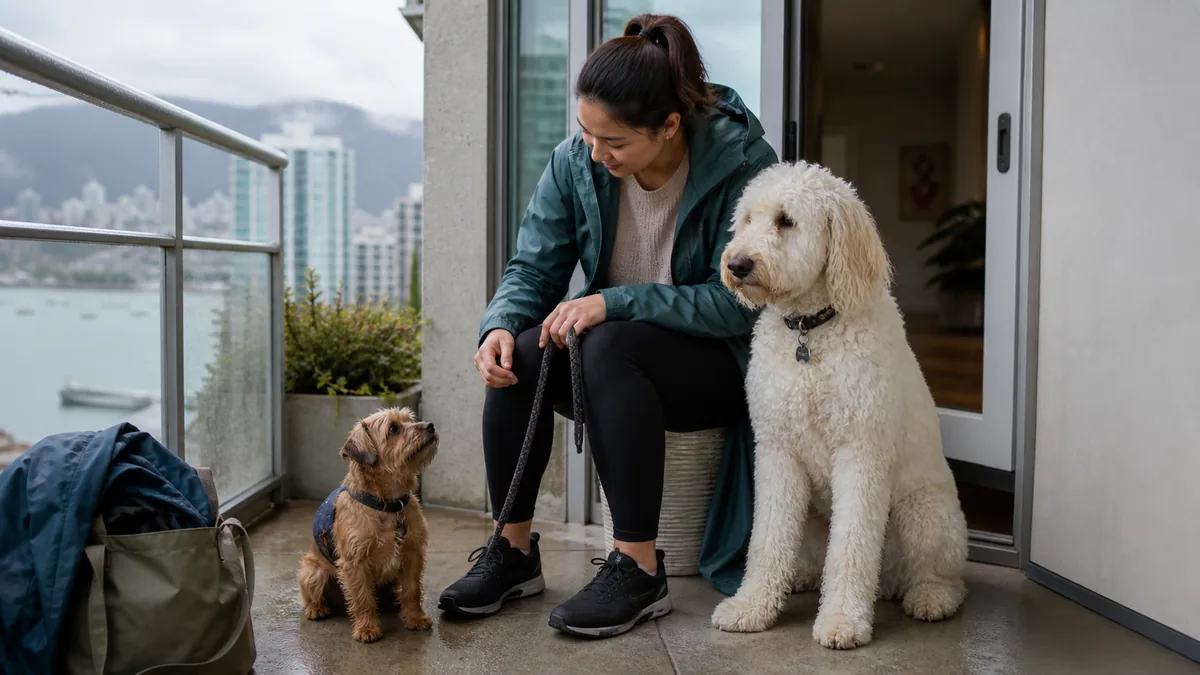
At Marpole Dog Walking & Boarding Service, we care for dogs with very different personalities and routines. The happiest matches are usually not based on trends. They happen when the dog’s needs fit the home, and the owner has a realistic plan for daily care.
Quick Answer
Choose a dog whose adult size, energy level, noise level, grooming needs, health risks, and temperament match your everyday life. In Vancouver, also think about rain, elevators, stairs, strata or rental rules, access to safe walks, and who will help when you travel or work late.
Start with Your Lifestyle
Before choosing a breed or rescue profile, picture a normal weekday. Who takes the dog out first thing in the morning? How long is the dog alone? Can you manage muddy paws, grooming, training, vet visits, and rainy walks? What happens when you are sick, busy, or away?
A dog can change your life in wonderful ways, but the match should be honest. A high-drive young dog may be a joy for someone who loves training and long walks. The same dog may be overwhelming for a household that wants a calm companion and has limited time.
Vancouver Home Fit
| Home factor | What to think about |
|---|---|
| Apartment or condo | Bathroom access, elevator routines, hallway manners, barking, strata rules, and how quickly you can get outside. |
| House or townhouse | Yard safety, stairs, gates, visitors, neighbourhood noise, and whether the yard replaces walks or simply supplements them. |
| Rain and mud | Coat care, paw drying, indoor drying space, and whether you will still walk consistently in bad weather. |
| Travel and work schedule | Who walks, feeds, boards, or checks on the dog when your routine changes. |
Vancouver Lifestyle Fit Snapshot
A good Vancouver dog fit depends on housing, weather tolerance, route access, building rules, and your real weekday schedule.
- Condo life: consider elevator comfort, barking risk, bathroom timing, and lobby traffic.
- Rainy routines: choose a dog whose coat, size, and temperament fit wet-weather walks.
- Busy schedules: plan realistic support for walks, daycare, boarding, or transport before you need it.
Breed, Temperament, and Energy
Breed can give you clues, but it is not a guarantee. Individual temperament, early socialization, health, training, age, and history all matter. Some small dogs are intense and vocal. Some large dogs are calm indoors. Some mixed-breed rescues are easygoing, while others need careful support during transition.
- Lower-energy companions may suit quieter households, seniors, or owners who want moderate daily walks.
- Active breeds and mixes often need structured exercise, training, sniffing, and mental work.
- Working and herding breeds can be brilliant, but they usually need more than casual walks.
- Flat-faced breeds may need extra care around heat, breathing, weight, and exercise intensity.
- Long-coated or curly-coated dogs may need regular brushing, professional grooming, and drying after wet walks.
Time, Care, and Budget
The purchase or adoption fee is only the beginning. Plan for food, veterinary care, vaccines, parasite prevention, dental care, grooming, training, equipment, insurance or emergency savings, and care when you cannot be home.
Daily time matters too. A realistic care plan includes bathroom breaks, walks, feeding, enrichment, training, brushing, quiet time, and recovery after busy days. If your schedule is unpredictable, plan your support before the dog arrives.
Future Care Planning Checklist
Before choosing a dog, think through the care support you may need on ordinary weeks, travel weeks, and busy workdays.
- Who can help with walks if your schedule changes?
- Would your dog likely suit small-group daycare, private walks, boarding, or in-home support?
- What temperament or medical needs would make care more specialized or expensive?
Questions Before Adopting or Buying
- What will this dog’s adult exercise needs likely be?
- How much grooming and coat care is realistic?
- Can I manage this dog safely on leash?
- How much barking or alerting can my home tolerate?
- Does this dog need a quieter home, another dog, no stairs, or special handling?
- Who will help with walking, daycare, boarding, or pet sitting when needed?
- Can I afford predictable care and unexpected veterinary costs?
Frequently Asked Questions
What dogs are best for Vancouver apartments?
Many small and moderate-energy dogs can do well in apartments, but size is not the only factor. Barking, bathroom access, elevator comfort, exercise needs, and separation tolerance often matter more than weight alone.
Are large dogs a bad fit for city living?
Not always. Some large dogs are calm indoors and do well with steady walks. Practical issues include stairs, vehicles, grooming, emergency lifting, and whether you can safely manage the dog around traffic and other dogs.
Should I choose a puppy or an adult dog?
A puppy gives you a chance to shape habits early, but puppies require supervision, sleep disruption, training, and frequent bathroom breaks. An adult dog may be a better fit if you want a clearer sense of size, energy, and temperament.
Is breed more important than temperament?
Breed matters, but temperament and lifestyle fit matter just as much. The best decision considers both the likely breed traits and the individual dog in front of you.
Adoption Checklist
- List your housing rules, work schedule, travel habits, and daily walking capacity.
- Decide what energy level, adult size, grooming level, and noise level you can realistically manage.
- Meet several dogs before deciding if possible.
- Ask detailed questions about health, temperament, history, training, and transition support.
- Prepare your home before the dog arrives, including safe spaces, gates, bedding, food, and walking gear.
- Choose a veterinarian and plan early training, socialization, and routine care.
- Arrange reliable support for walks, boarding, or daycare if your schedule requires it.
Related Guides
- Popular dog breeds in Vancouver: how to compare fit
- Adopting a rescue dog in Vancouver
- Finding a reputable dog breeder in British Columbia
- How much exercise does your dog need?
- Preparing your home for a new puppy
- Ask about dog care support in Marpole
- Vancouver Dog Licence: Cost, Rules and How to Apply
- Seasonal Dog Care in Vancouver