
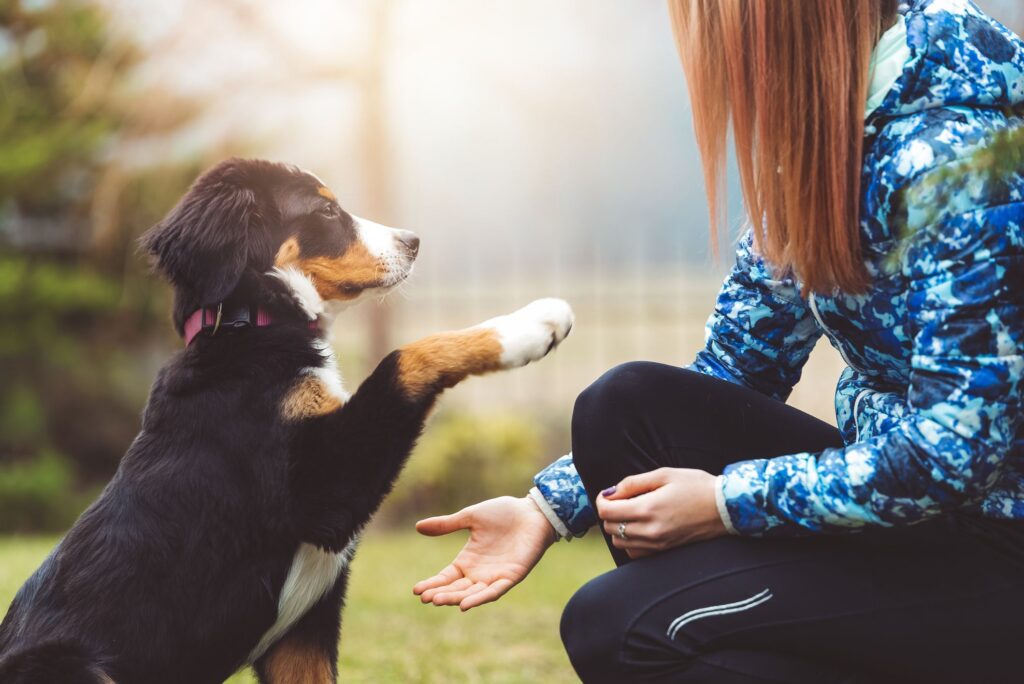
House training—also called potty training or housebreaking—is one of the first and most important skills you’ll teach your new puppy. While it requires patience, consistency, and a bit of cleanup along the way, successful house training sets the foundation for a clean, harmonious home and a confident, well-adjusted dog. The good news is that with the right approach, most puppies can be reliably house-trained within a few months.
TL;DR: House Training Your Puppy in Vancouver
- Understand your puppy’s bladder limits—young pups need frequent breaks.
- Use crate training to create a safe, clean space.
- Be patient and consistent; accidents are part of learning.
- Take your puppy outside often, especially after eating or playing.
- Celebrate progress and build a strong bond in your Marpole home.
At Marpole Dog Walking & Boarding, we’ve helped countless puppy owners navigate the challenges of house training. We’ve seen the frustration of repeated accidents and the joy of that first accident-free week. This guide will walk you through proven house training methods, common mistakes to avoid, and how to troubleshoot setbacks so you and your puppy can succeed together.
Understanding Puppy Bladder Control
Before diving into training techniques, it’s important to understand your puppy’s physical limitations. Puppies have small bladders and limited muscle control, which means they simply cannot “hold it” for long periods.
As a general rule, a puppy can hold their bladder for approximately one hour per month of age, plus one. For example:
- 2-month-old puppy : 3 hours maximum
- 3-month-old puppy : 4 hours maximum
- 4-month-old puppy : 5 hours maximum
This is a guideline, not a guarantee. Individual puppies vary based on size, breed, health, and activity level. Toy breeds often need more frequent bathroom breaks than larger breeds. Puppies also need to eliminate more frequently when they’re active, excited, or have just eaten or drunk water.
Understanding these limitations helps you set realistic expectations. If you’re leaving a 2-month-old puppy alone for eight hours, accidents are inevitable—not because your puppy is being stubborn, but because they physically cannot hold it that long.
The Foundation: Crate Training
Crate training is one of the most effective tools for house training. Dogs have a natural instinct to keep their sleeping area clean, so a properly sized crate encourages your puppy to hold their bladder until they’re taken outside.
Choosing the Right Crate
The crate should be large enough for your puppy to stand up, turn around, and lie down comfortably, but not so large that they can eliminate in one corner and sleep in another. If you’re buying a crate for a puppy who will grow significantly, choose one with a divider panel so you can adjust the size as they grow.
Introducing the Crate Positively
Never use the crate as punishment. The crate should be a safe, comfortable den where your puppy feels secure. To create positive associations:
- Feed meals in the crate : This helps your puppy associate the crate with good things
- Toss treats inside : Encourage your puppy to explore the crate on their own
- Add comfortable bedding : Make the crate cozy and inviting
- Start with short periods : Gradually increase the time your puppy spends in the crate
- Ignore whining : If your puppy whines, wait for a quiet moment before letting them out (otherwise you’re rewarding the whining)
Using the Crate for House Training
When you cannot supervise your puppy—during the night, when you’re at work, or when you’re busy with other tasks—your puppy should be in their crate. This prevents accidents and teaches bladder control.
Important: Puppies should not be crated for longer than they can reasonably hold their bladder. If you work long hours, arrange for a dog walker, neighbor, or daycare to give your puppy bathroom breaks.
The House Training Routine
Consistency is the key to successful house training. Establish a routine and stick to it.
When to Take Your Puppy Out
Take your puppy outside to eliminate:
- First thing in the morning : As soon as you wake up
- After meals : Within 15-30 minutes of eating
- After drinking water : Especially after a big drink
- After naps : Every time your puppy wakes up
- After playtime : Exercise stimulates the need to eliminate
- Before bedtime : Right before you go to sleep
- Every 1-2 hours during the day : For young puppies
The Bathroom Routine
- Take your puppy to the same spot every time : The scent will remind them why they’re there
- Use a consistent cue : Say “go potty” or “do your business” in a calm, encouraging voice
- Wait patiently : Give your puppy 5-10 minutes to eliminate. Stay quiet and boring—this is not playtime
- Praise and reward immediately : The moment your puppy finishes, offer enthusiastic praise and a high-value treat
- Return inside : Once your puppy has eliminated, you can allow supervised indoor time or playtime outside
Supervision Indoors
When your puppy is out of the crate, they should be supervised at all times. Watch for signs that they need to eliminate:
- Sniffing the ground
- Circling
- Whining or barking
- Walking toward the door
- Sudden restlessness
If you see these signs, immediately take your puppy outside. If you cannot supervise, put your puppy in the crate or a puppy-proofed area with pee pads (though pee pads can sometimes confuse the house training process).
Handling Accidents
Accidents will happen. When they do:
- Interrupt calmly : If you catch your puppy in the act, calmly say “oops!” or “outside!” and immediately take them outside to finish
- Do not punish : Yelling, rubbing your puppy’s nose in the mess, or other punishments are ineffective and harmful. Puppies don’t understand punishment after the fact, and it only creates fear and anxiety
- Clean thoroughly : Use an enzymatic cleaner specifically designed for pet urine. Regular cleaners don’t fully eliminate the scent, and lingering odors encourage repeat accidents in the same spot
- Reflect on your routine : Accidents often indicate that you need to take your puppy out more frequently or supervise more closely
Nighttime House Training
Nighttime can be challenging because puppies need bathroom breaks even while you’re sleeping.
- Limit water before bed : Stop offering water 1-2 hours before bedtime (but always provide water during the day)
- Take your puppy out right before bed : Make this the last thing you do
- Set an alarm : For very young puppies (under 12 weeks), you may need to wake up once during the night to take them out
- Keep nighttime trips boring : No playtime, no excitement—just a quick trip outside and back to the crate
- Gradually extend the time : As your puppy matures, they’ll be able to sleep through the night without a bathroom break
Common House Training Mistakes
Even well-intentioned puppy owners can make mistakes that slow down the house training process.
Mistake 1: Inconsistent Routine
If you take your puppy out at random times or only when you remember, they won’t learn a predictable pattern. Consistency is essential.
Mistake 2: Punishing Accidents
Punishment doesn’t teach your puppy where to eliminate—it only teaches them to fear you and hide when they need to go. This often leads to puppies sneaking off to eliminate in hidden areas of the house.
Mistake 3: Not Supervising Closely Enough
If your puppy has frequent accidents, it’s usually because they’re not being supervised closely enough. Until your puppy is fully house-trained, they should be in your line of sight or in their crate.
Mistake 4: Using Pee Pads Inconsistently
Pee pads can be useful in some situations (high-rise apartments, very young puppies, owners with mobility issues), but they can also confuse puppies. If your goal is for your puppy to eliminate outside, avoid pee pads if possible. If you must use them, be consistent and gradually transition to outdoor elimination.
Mistake 5: Expecting Too Much Too Soon
House training takes time. Some puppies catch on quickly, while others take several months. Be patient and celebrate small victories.
Troubleshooting House Training Challenges
My puppy has frequent accidents even though Im following
- Increase bathroom breaks : Your puppy may need to go out more frequently than you’re currently offering
- Check for medical issues : Urinary tract infections, parasites, and other health problems can cause frequent urination. Consult your veterinarian
- Review your cleaning method : Make sure you’re using an enzymatic cleaner to fully eliminate odors
My puppy eliminates outside
- Stay outside longer : Your puppy may not have fully emptied their bladder. Give them more time and encourage them to go again
- Limit freedom too soon : After your puppy eliminates outside, don’t immediately give them free run of the house. Supervise closely or return them to the crate for a bit
My puppy was doing great
- Regression is normal : Puppies often regress during growth spurts, teething, or stressful changes. Return to basics—more frequent bathroom breaks, closer supervision, and consistent rewards
- Rule out medical issues : If regression is sudden or severe, consult your veterinarian
My puppy wont eliminate outside in the rain (Vancouver
Vancouver’s rainy weather can be a challenge for house training. Some puppies are reluctant to go outside in the rain.
- Use an umbrella : Hold an umbrella over your puppy to keep them dry
- Invest in a rain jacket : Dog rain gear can make outdoor bathroom breaks more comfortable
- Create a covered area : If you have a yard, set up a covered spot where your puppy can eliminate while staying dry
- Be patient : Stand outside with your puppy and wait. They’ll eventually go when they need to
When to Expect Success
Most puppies are reliably house-trained by 4-6 months of age, though some take longer. “Reliably house-trained” means your puppy can hold their bladder for age-appropriate periods, signals when they need to go out, and rarely has accidents.
Even after your puppy is house-trained, occasional accidents may happen during times of stress, excitement, or illness. This is normal and doesn’t mean your training has failed.
Beyond House Training: Long-Term Success
Once your puppy is house-trained, maintain good habits:
- Continue regular bathroom breaks : Adult dogs still need to eliminate several times a day
- Watch for changes : Sudden changes in bathroom habits can indicate health issues
- Reward good behavior : Even after house training is complete, occasionally reward your dog for eliminating outside to reinforce the behavior
Final Thoughts
House training requires patience, consistency, and a positive attitude. There will be accidents, frustrations, and moments when you wonder if your puppy will ever figure it out. But with time and effort, they will. The key is to set your puppy up for success by providing frequent bathroom breaks, supervising closely, rewarding good behavior, and responding to accidents calmly and constructively.
At Marpole Dog Walking & Boarding, we’ve seen countless puppies grow into well-trained, reliable adult dogs. If you’re struggling with house training or need help with midday bathroom breaks while you’re at work, we’re here to support you. Every puppy is different, but with the right approach, you and your puppy will get there together.
References
[1] American Kennel Club. (2025). *How to Potty Train a Puppy*. Retrieved from https://www.akc.org/
Learn more: choosing the right dog for your Vancouver lifestyle
Learn more: read your dog’s body language
Learn more: dog training classes in Vancouver
Ready to give your dog the best care in Marpole?
Your Questions About Dog Boarding & Daycare, Answered
How long does it typically take to house train a puppy in
The timeline for house training a puppy can vary, but most puppies can be reliably trained within 4-6 months. Consistency is key. In Vancouver, with its variable weather, it’s important to be prepared for rainy day potty breaks and have a designated indoor spot if necessary.
What are some good puppy training classes in Vancouver?
Vancouver has many excellent puppy training schools. Some popular options include the Vancouver SPCA, Bravo Dog, and All-Round Hounds. These schools offer puppy socialization and basic obedience classes that can reinforce your house training efforts.
Where can I buy puppy training supplies in Vancouver?
You can find puppy training supplies like crates, puppy pads, and enzymatic cleaners at various pet stores across Vancouver. PetSmart, Tisol, and local boutiques like Discover Dogs or Korna Natural Pet Supplies are great places to look.
AI Prompts
Try These AI Prompts
- Create a detailed daily schedule for house training my 10-week-old Golden Retriever puppy in my Vancouver apartment. Include feeding times, potty breaks, playtime, and crate training.
- My puppy keeps having accidents on the carpet. Generate a list of the best enzyme cleaners I can buy in Vancouver to remove stains and odors effectively.
- I’m struggling with crate training my puppy. Provide a step-by-step guide to make the crate a positive and comfortable space for my puppy, considering I live in a small condo in Yaletown.
- Explain how Vancouver’s local weather and seasonal changes can affect house training routines and suggest adjustments to keep my puppy on track.
Related Reading
Our puppy daycare provides supervised socialization during the critical development window.
Next Steps: House Training Checklist for Vancouver Puppy Owners
- Set a consistent schedule for feeding and bathroom breaks, including early mornings and late evenings.
- Choose and introduce a properly sized crate with positive reinforcement.
- Take your puppy outside to a designated spot in your yard or nearby park after meals, naps, and playtime.
- Keep a log of your puppy’s bathroom habits to spot patterns and prevent accidents.
- Use Vancouver’s local dog-friendly parks and trails to provide exercise and socialization alongside training.
- Reach out to local trainers or Marpole Dog Walking for support if you encounter challenges.
Deep Dive AI Prompts
Use these prompts with ChatGPT or any AI assistant to explore this topic further:
- “Create a detailed daily house training schedule for a 3-month-old puppy living in a Vancouver apartment.”
- “Explain how Vancouver’s climate affects puppy house training and suggest practical solutions for rainy days.”
- “List common house training mistakes made by first-time dog owners in urban areas like Marpole and how to avoid them.”
Frequently Asked Questions
How often should I take my puppy outside in Vancouver’s rainy weather? Puppies still need frequent bathroom breaks regardless of weather. Use a covered porch or a dog umbrella to keep them dry, and reward them for going outside despite the rain.
When can I expect my puppy to be fully house trained? Most puppies can be reliably house trained by 4 to 6 months old, but this varies by breed and individual temperament. Consistency and patience are key.
What if my puppy has an accident indoors? Clean the area thoroughly with an enzymatic cleaner to remove odors and avoid punishment. Instead, increase outdoor breaks and watch for signs your puppy needs to go.
Can I use puppy pads inside my Vancouver apartment? Puppy pads can be a temporary aid but may confuse your puppy about where to eliminate. It’s best to transition to outdoor potty breaks as soon as possible for long-term success.
Pingback: How Much Exercise Does Your Dog Need? A Complete Guide
Pingback: Reactive Dog Training in Vancouver: A Practical Guide (2026)
Pingback: Adopting a Rescue Dog in Vancouver: Everything You Need to Know
Pingback: Dog Training Classes in Vancouver: Finding the Right Fit for You and Your Dog
Pingback: Introducing a New Puppy to Your Home: A Vancouver Owner's Guide