
Walk down the pet food aisle at any Vancouver pet store, and you’ll be confronted with an overwhelming array of choices. Grain-free, raw, organic, breed-specific, age-specific, prescription diets—the options seem endless, and the marketing claims can be confusing. How do you know which food is truly best for your dog? The truth is that there’s no single “perfect” dog food that works for every dog. The right choice depends on your dog’s age, size, activity level, health status, and individual preferences.
At Marpole Dog Walking & Boarding, we’ve cared for dogs with all kinds of dietary needs—from puppies with sensitive stomachs to senior dogs with special health requirements. We’ve seen how the right food can transform a dog’s energy, coat quality, and overall health. This guide will help you navigate the world of dog food, understand what to look for on labels, and make informed decisions that support your dog’s health and wellbeing.
TL;DR: Choosing the Right Dog Food in Vancouver
- Consider your dog’s age, size, activity, and health when selecting food.
- Look for high-quality protein, essential fats, and balanced nutrients.
- Dry kibble is convenient; wet food offers hydration benefits.
- Always provide fresh water and monitor your dog’s response to new food.
- Consult local pet experts or vets for personalized advice.
Understanding Dog Nutrition Basics
Before diving into specific foods, it’s helpful to understand what dogs need nutritionally. Dogs are omnivores, meaning they can digest and benefit from both animal and plant-based foods. A complete and balanced dog food should provide:
Protein
Protein is essential for building and repairing tissues, supporting immune function, and providing energy. Dogs need high-quality protein from animal sources (meat, poultry, fish, eggs) or plant sources (legumes, soy). Puppies, pregnant or nursing dogs, and highly active dogs need more protein than sedentary adult dogs.
Fats
Fats provide concentrated energy, support skin and coat health, and help absorb fat-soluble vitamins (A, D, E, K). Essential fatty acids like omega-3 and omega-6 are particularly important. Animal fats (chicken fat, fish oil) and plant oils (flaxseed, canola) are common sources.
Carbohydrates
While dogs don’t have a strict carbohydrate requirement, carbs provide energy and fiber for digestive health. Common sources include grains (rice, oats, barley), potatoes, sweet potatoes, and legumes (peas, lentils).
Vitamins and Minerals
Dogs need a range of vitamins (A, B, C, D, E, K) and minerals (calcium, phosphorus, zinc, iron) for bone health, immune function, and metabolic processes. Quality dog foods are formulated to meet these needs.
Water
Fresh, clean water should always be available. Hydration is essential for every bodily function.
Types of Dog Food
Dog food comes in several forms, each with advantages and disadvantages.
Dry Kibble
Dry kibble is the most popular and convenient option. It’s affordable, easy to store, and helps keep teeth clean through mechanical action. Quality kibble provides complete, balanced nutrition and has a long shelf life.
- Pros : Convenient, affordable, dental benefits, long shelf life
- Cons : Highly processed, some dogs find it less palatable
Wet/Canned Food
Wet food is more palatable and has higher moisture content, making it a good choice for dogs who don’t drink enough water or have dental issues. It’s often more expensive per serving than kibble.
- Pros : Palatable, high moisture, good for picky eaters
- Cons : Expensive, shorter shelf life once opened, doesn’t provide dental benefits
Semi-Moist Food
Semi-moist foods (often sold as pouches or treats) are somewhere between dry and wet. They’re convenient but often contain more sugar and preservatives.
- Pros : Convenient, palatable
- Cons : High in sugar and preservatives, expensive
Raw Food
Raw diets consist of uncooked meat, bones, organs, and sometimes vegetables. Proponents argue that raw diets are more “natural” and provide health benefits. However, raw diets carry risks of bacterial contamination (Salmonella, E. coli) and nutritional imbalances if not properly formulated.
- Pros : Minimally processed, some dogs thrive on raw diets
- Cons : Risk of bacterial contamination, expensive, requires careful handling, nutritional balance can be difficult to achieve
Home-Cooked Food
Some owners prepare homemade meals for their dogs using cooked meat, vegetables, and grains. This allows complete control over ingredients but requires careful planning to ensure nutritional balance.
- Pros : Control over ingredients, fresh
- Cons : Time-consuming, risk of nutritional imbalances without veterinary guidance
Freeze-Dried and Dehydrated Food
These foods are minimally processed and retain more nutrients than traditional kibble. They’re rehydrated with water before feeding.
Pros :
Nutrient-dense, convenient, long shelf life
Cons :
Expensive
Reading Dog Food Labels
Dog food labels can be confusing, but understanding a few key elements will help you make informed choices.
AAFCO Statement
Look for a statement from the Association of American Feed Control Officials (AAFCO) that says the food is “complete and balanced” for a specific life stage (puppy, adult, senior, all life stages). This means the food meets minimum nutritional standards.
Ingredient List
Ingredients are listed in descending order by weight. The first few ingredients make up the bulk of the food.
- Look for named animal proteins : “Chicken,” “beef,” “salmon” (not “meat meal” or “by-products”)
- Whole ingredients : Whole grains, vegetables, and fruits
- Avoid vague terms : “Meat meal,” “animal fat,” “by-products”
Guaranteed Analysis
This section lists minimum percentages of crude protein and fat, and maximum percentages of fiber and moisture. Compare these values to your dog’s needs.
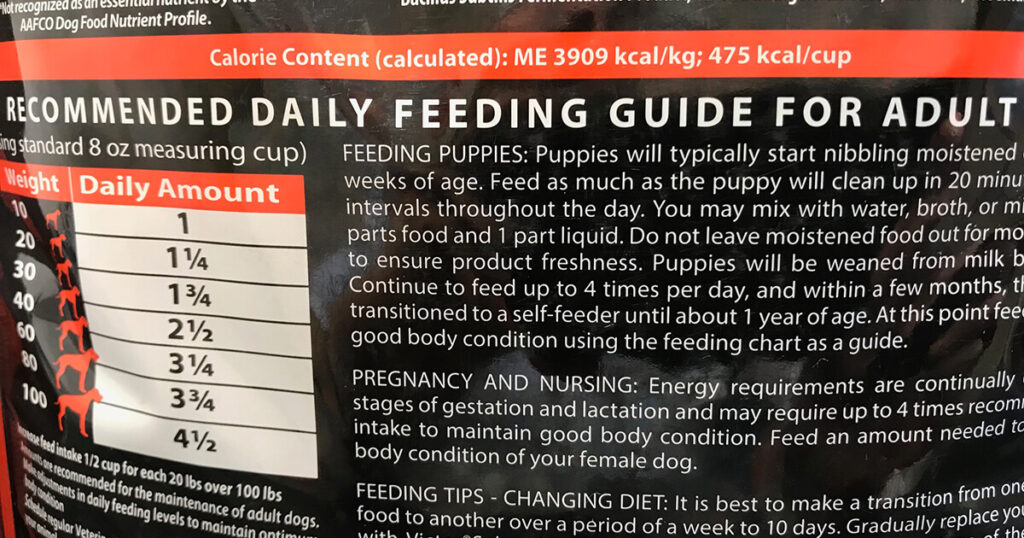
Feeding Guidelines
Labels provide recommended feeding amounts based on your dog’s weight. These are starting points—adjust based on your dog’s activity level, metabolism, and body condition.
Grain-Free Diets: What You Need to Know
Grain-free dog foods became popular in recent years, marketed as more “natural” or better for dogs with allergies. However, in 2018, the FDA began investigating a potential link between grain-free diets (particularly those high in peas, lentils, and potatoes) and dilated cardiomyopathy (DCM), a serious heart condition.
While the research is ongoing and not conclusive, many veterinarians now recommend caution with grain-free diets, especially for breeds predisposed to DCM (Golden Retrievers, Dobermans, Boxers). Unless your dog has a diagnosed grain allergy (which is rare), there’s no nutritional reason to avoid grains.
Common Food Myths
Myth 1 :
By-Products Are Always Bad
While “by-products” sounds unappetizing, they can include nutritious organ meats like liver, kidneys, and heart. The key is whether they’re from named sources (e.g., “chicken by-products”) rather than vague “meat by-products.”
Myth 3 :
More Protein Is Always Better
While protein is important, excessive protein isn’t necessarily beneficial and can strain the kidneys in dogs with kidney disease. Balance is key.
Myth 4 :
Human-Grade Ingredients Are Always Better
“Human-grade” is a marketing term. What matters is whether the food is complete, balanced, and made by a reputable company with quality control.
Choosing Food for Your Dog’s Life Stage
Puppies
Puppies need food formulated for growth, with higher protein, fat, and calories to support rapid development. Large-breed puppies need specially formulated food to prevent overly rapid growth, which can cause joint problems.
Adult Dogs
Adult dogs need maintenance food that supports their activity level and health. Active dogs need more calories; sedentary dogs need fewer.
Senior Dogs
Senior dogs (typically 7+ years, depending on breed) benefit from food formulated for aging, with joint support, lower calories (to prevent weight gain), and easily digestible ingredients.
Pregnant or Nursing Dogs
Pregnant and nursing dogs have significantly higher nutritional needs and should be fed puppy food or a specially formulated diet.
Special Dietary Needs
Food Allergies and Sensitivities
True food allergies are relatively rare in dogs, but some dogs have sensitivities to certain ingredients. Common allergens include beef, dairy, wheat, chicken, and soy. If your dog has chronic itching, ear infections, or digestive issues, consult your vet about an elimination diet to identify triggers.
Weight Management
Overweight dogs need calorie-controlled food and portion management. Look for “light” or “weight management” formulas with lower fat and calories but adequate protein to maintain muscle mass.
Medical Conditions
Dogs with medical conditions (kidney disease, diabetes, pancreatitis, etc.) may need prescription diets formulated to manage their condition. Always follow your veterinarian’s recommendations.
Reputable Dog Food Brands
While individual dogs may do better on different foods, some brands have strong reputations for quality, research, and safety:
Hill’s Science Diet :
Veterinary-backed, extensive research
Royal Canin :
Breed-specific and condition-specific formulas
Purina Pro Plan :
Research-based, wide variety
Orijen :
High-protein, biologically appropriate
Acana :
Regional ingredients, high-quality
Wellness :
Natural ingredients, grain-free and grain-inclusive options
Blue Buffalo :
Natural ingredients, popular with pet owners
Where to Buy Dog Food in Vancouver
Vancouver has many excellent pet supply stores:
| Store | Locations | Specialty |
|---|---|---|
| Tisol Pet Nutrition & Supply | Multiple locations | Wide selection, knowledgeable staff |
| Bosley’s by Pet Valu | Multiple locations | Premium brands, local focus |
| Pet Habitat | Kitsilano, West End | Natural and holistic foods |
| Homes Alive Pets | Multiple locations | Wide variety, competitive prices |
| Global Pet Foods | Multiple locations | Premium brands, loyalty program |
Transitioning to a New Food
When changing your dog’s food, transition gradually over 7-10 days to avoid digestive upset:
- Days 1-3 : 75% old food, 25% new food
- Days 4-6 : 50% old food, 50% new food
- Days 7-9 : 25% old food, 75% new food
- Day 10 : 100% new food
Monitor your dog for signs of digestive upset (vomiting, diarrhea, loss of appetite). If problems persist, consult your vet.
How to Tell If Your Dog’s Food Is Working
The best indicator of whether a food is right for your dog is how they look and feel:
- Healthy weight : Ribs should be easily felt but not visible
- Shiny coat : Soft, glossy, minimal shedding
- Good energy : Appropriate energy for age and breed
- Healthy stools : Firm, well-formed, easy to pick up
- Bright eyes : Clear, alert
- Good appetite : Eager to eat at mealtimes
If your dog is thriving, their food is working. If you notice problems, consult your vet before making changes.
Final Thoughts
Choosing the right dog food doesn’t have to be overwhelming. Focus on foods that are complete and balanced, made by reputable companies, appropriate for your dog’s life stage, and within your budget. Pay attention to how your dog responds, and don’t be afraid to make changes if something isn’t working.
At Marpole Dog Walking & Boarding, we see dogs fed a wide variety of diets, and we’ve learned that there’s no one-size-fits-all answer. The best food is the one that keeps your dog healthy, happy, and thriving. If you have questions or concerns about your dog’s diet, your veterinarian is your best resource.
Reference
[1] American Kennel Club. (2025). *
How to Read a Dog Food Label
*. Retrieved from https://www.akc.org/
[2] U.S. Food and Drug Administration. (2025). *
Questions & Answers: FDA Center for Veterinary Medicine’s Investigation into a Possible Connection Between Diet and Canine Heart Disease
*. Retrieved from https://www.fda.gov/
[3] World Small Animal Veterinary Association. (2025). *
Nutritional Assessment Guidelines
*. Retrieved from https://wsava.org/
[4] Canadian Veterinary Medical Association. (2025). *
Feeding Your Dog
*. Retrieved from https://www.canadianveterinarians.net/
Learn more:
vaccination schedule
Learn more:
how much exercise your dog needs
Learn more:
choosing the right dog for your Vancouver lifestyle
Frequently Asked Questions
What should I look for in a dog food for my Vancouver-based
Look for dog foods that use high-quality, whole-food ingredients. Given Vancouver’s rainy climate and our active outdoor lifestyle, you might consider foods that support joint health and have a good balance of omega-3 and omega-6 fatty acids for a healthy coat. It’s always best to consult with your veterinarian to choose a food that meets your dog’s specific needs.
Are there any local Vancouver-based dog food brands you
While we can’t endorse specific brands, there are several excellent pet food stores in Vancouver, like Pet Food ‘N More, that carry a wide variety of high-quality, Canadian-made dog foods. We encourage you to visit a local store and speak with their knowledgeable staff to find a food that’s right for your dog.
How do I know if my dog has a food allergy?
Common signs of food allergies in dogs include itchy skin, chronic ear infections, and gastrointestinal issues like vomiting and diarrhea. If you suspect your dog has a food allergy, it’s important to work with your veterinarian to diagnose the issue and develop a dietary plan. They may recommend an elimination diet to identify the specific allergen.
AI Prompts
Try These AI Prompts
- “Generate a list of questions to ask my Vancouver veterinarian about my dog’s diet.”
- “Create a 7-day meal plan for my adult dog, incorporating locally sourced ingredients available in Vancouver.”
- “Help me write an email to my dog’s breeder asking for their dietary recommendations.”
- List the top pet stores and specialty shops in Vancouver where I can buy high-quality, nutritious dog food and treats.
{
“@context”: “https://schema.org”,
“@type”: “FAQPage”,
“mainEntity”: [
{
“@type”: “Question”,
“name”: “What should I look for in a dog food for my Vancouver-based dog?”,
“acceptedAnswer”: {
“@type”: “Answer”,
“text”: “Look for dog foods that use high-quality, whole-food ingredients. Given Vancouver’s rainy climate and our active outdoor lifestyle, you might consider foods that support joint health and have a good balance of omega-3 and omega-6 fatty acids for a healthy coat. It’s always best to consult with your veterinarian to choose a food that meets your dog’s specific needs.”
}
},
{
“@type”: “Question”,
“name”: “Are there any local Vancouver-based dog food brands you recommend?”,
“acceptedAnswer”: {
“@type”: “Answer”,
“text”: “While we can’t endorse specific brands, there are several excellent pet food stores in Vancouver, like Pet Food ‘N More, that carry a wide variety of high-quality, Canadian-made dog foods. We encourage you to visit a local store and speak with their knowledgeable staff to find a food that’s right for your dog.”
}
},
{
“@type”: “Question”,
“name”: “How do I know if my dog has a food allergy?”,
“acceptedAnswer”: {
“@type”: “Answer”,
“text”: “Common signs of food allergies in dogs include itchy skin, chronic ear infections, and gastrointestinal issues like vomiting and diarrhea. If you suspect your dog has a food allergy, it’s important to work with your veterinarian to diagnose the issue and develop a dietary plan. They may recommend an elimination diet to identify the specific allergen.”
}
}
,
{
“@type”: “Question”,
“name”: “How can Vancouver’s rainy climate affect my dog’s diet and nutrition?”,
“acceptedAnswer”: {
“@type”: “Answer”,
“text”: “Vancouver’s rainy and cooler climate may mean your dog needs slightly more calories to maintain energy and body heat, especially if they’re very active outdoors. Additionally, wet weather can increase the risk of digestive issues, so providing a balanced, easily digestible diet with proper hydration is important to keep your dog healthy year-round.”
}
}]
}
Vancouver’s Most Trusted Dog Walking Service
Serving Marpole, Kerrisdale, and South Vancouver. Insured, GPS-tracked walks with daily photo updates. First walk free for new clients.
Next Steps: Dog Food Selection Checklist
- Assess your dog’s specific needs: age, breed, activity level, and any health concerns.
- Read ingredient labels carefully, prioritizing quality protein and balanced nutrients.
- Visit local Vancouver pet stores or Marpole pet supply shops to explore options and ask staff for recommendations.
- Introduce new food gradually over 7-10 days to monitor tolerance and preferences.
- Keep fresh water available at all times to support hydration, especially if feeding dry kibble.
- Schedule a check-in with your vet or a local dog nutritionist if you notice any changes in your dog’s health or behavior.
Deep Dive AI Prompts
Use these prompts with ChatGPT or any AI assistant to explore this topic further:
- “Explain the nutritional differences between grain-free and grain-inclusive dog foods and their impact on dog health.”
- “What are the best dog food options for active dogs living in urban Vancouver environments?”
- “How can I identify potential allergens in commercial dog foods and what alternatives are available for sensitive dogs?”
Pingback: How to Choose the Right Vet in Vancouver: A Practical Guide
Pingback: Dog First Aid in Vancouver: What Every Owner Needs to Know