
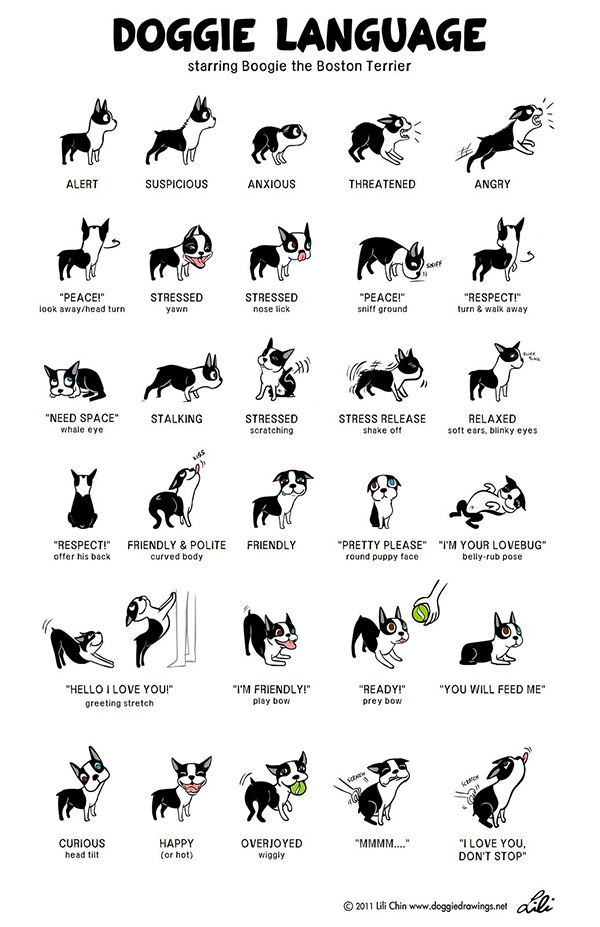
Dogs are constantly communicating with us, but they don’t use words. Instead, they rely on body language—subtle shifts in posture, facial expressions, tail position, and movement—to express their emotions, intentions, and needs. Learning to read your dog’s body language is one of the most valuable skills you can develop as a dog owner. It helps you understand what your dog is feeling, prevents misunderstandings, keeps everyone safe, and deepens the bond between you and your companion.
TL;DR: Understanding Your Dog’s Body Language
- Dogs communicate mostly through body language, not words.
- Look at tail, ears, eyes, mouth, posture, and context together.
- Recognize signs of stress, play, fear, and confidence.
- Reading signals helps keep your dog safe and happy in Marpole and beyond.
- “A well-exercised dog is a well-behaved dog.” — Cesar Millan
At Marpole Dog Walking & Boarding, we work with dogs of all temperaments and personalities. Over the years, we’ve learned to read the subtle signals that tell us when a dog is happy, anxious, playful, or uncomfortable. This guide will teach you how to interpret your dog’s body language so you can respond appropriately and build a stronger, more trusting relationship.
Why Body Language Matter
Dogs evolved to communicate primarily through body language. While they do use vocalizations like barking, whining, and growling, the majority of their communication is silent. Understanding body language allows you to:
- Recognize stress and discomfort : Intervene before a situation escalates
- Identify fear and anxiety : Provide comfort and remove stressors
- Distinguish play from aggression : Ensure safe interactions with other dogs
- Understand your dog’s needs : Know when they’re hungry, tired, or need a bathroom break
- Build trust : Respond appropriately to your dog’s emotional state
Misreading body language can lead to bites, fights, and damaged relationships. For example, many people misinterpret a wagging tail as always meaning happiness, but tail wagging can also indicate excitement, arousal, or even aggression depending on the context.
The Whole-Body Picture
When reading your dog’s body language, always look at the whole picture. A single signal—like a wagging tail—doesn’t tell the full story. You need to consider:
- Tail position and movement
- Ear position
- Eye expression and gaze
- Mouth and facial expression
- Body posture and weight distribution
- Movement and energy level
- Context : What’s happening in the environment?
Let’s break down each component.
Tail Position and Movement
The tail is one of the most expressive parts of a dog’s body, but it’s also one of the most misunderstood.
High and Stiff
A tail held high and stiff indicates confidence, alertness, or arousal. Depending on the context, this can mean the dog is assertive, excited, or potentially aggressive. If the tail is high and the dog’s body is tense, proceed with caution.
Neutral and Relaxed
A tail held in a neutral position (level with the spine or slightly lower) and wagging gently indicates a relaxed, content dog. This is the “default” tail position for a calm, happy dog.
Low or Tucked
A tail held low or tucked between the legs indicates fear, anxiety, or submission. The dog is trying to make themselves smaller and less threatening. This is a sign that the dog is uncomfortable and may need reassurance or space.
Wagging Speed and Direction
- Fast, broad wag : Excitement, happiness, friendliness
- Slow, deliberate wag : Uncertainty, cautious interest
- Stiff, rapid wag : High arousal, potential aggression (especially if combined with tense body)
- Wagging to the right : Positive emotions (research suggests dogs wag more to the right when happy)
- Wagging to the left : Negative emotions or uncertainty
Ear Position
Ear position varies by breed (floppy-eared dogs are harder to read than prick-eared dogs), but general principles apply.
Forward and Alert
Ears pointed forward indicate interest, attention, or alertness. The dog is focused on something in their environment.
Neutral and Relaxed
Ears in a natural, relaxed position indicate a calm, content dog.
Pinned Back
Ears flattened against the head indicate fear, anxiety, or submission. This is often seen in dogs who are scared or trying to appease.
Slightly Back and Soft
Ears pulled back slightly but not pinned flat can indicate friendliness or a desire to engage socially. This is common when dogs greet people they like.
Eyes and Gaze
A dog’s eyes reveal a lot about their emotional state.
Soft, Relaxed Eyes
Soft, almond-shaped eyes with a relaxed gaze indicate a calm, happy dog. This is the look of contentment.
Wide Eyes (Whale Eye)
When a dog’s eyes are wide and you can see the whites (sclera), it’s called “whale eye.” This indicates stress, fear, or discomfort. The dog is feeling threatened or anxious.
Hard Stare
A direct, intense stare with a rigid body indicates a challenge or threat. This is a warning signal that the dog may escalate to aggression if the perceived threat doesn’t back off.
Squinting or Blinking
Soft squinting or slow blinking indicates relaxation and trust. Dogs often squint when they’re happy and comfortable.
Avoiding Eye Contact
A dog who avoids eye contact is showing deference or trying to de-escalate a situation. This is a calming signal that says, “I’m not a threat.”
Mouth and Facial Expression
The mouth and face provide important clues about a dog’s emotional state.
Relaxed, Open Mouth
A slightly open mouth with a relaxed tongue (often called a “smile”) indicates a happy, relaxed dog. This is the classic look of a content dog.
Closed Mouth, Tense Jaw
A closed mouth with a tense jaw indicates stress, focus, or potential aggression. The dog is on alert.
Lip Licking and Yawning
Lip licking and yawning (when the dog isn’t tired) are calming signals. Dogs use these behaviors to self-soothe when they’re anxious or to signal to others that they’re not a threat.
Showing Teeth (Snarl)
A dog who pulls their lips back to show teeth is giving a clear warning. This is a threat display that says, “Back off or I will escalate.” Never ignore this signal.
Panting
Panting can indicate heat, exertion, or stress. If your dog is panting heavily and it’s not hot or after exercise, they may be anxious.
Body Posture and Weight Distribution
How a dog holds their body tells you a lot about their confidence and emotional state
Relaxed and Loose
A dog with a loose, wiggly body is relaxed and happy. Their weight is evenly distributed, and their movements are fluid.
Leaning Forward
A dog leaning forward with weight on their front legs is confident, assertive, or potentially aggressive. They’re moving toward something with intention.
Leaning Back or Cowering
A dog leaning back with weight on their rear legs is fearful or trying to create distance. They’re preparing to retreat.
Play Bow
A play bow—front legs stretched forward, chest low, rear end up—is an invitation to play. This is one of the clearest and most positive signals dogs use.
Stiff and Frozen
A dog who suddenly goes stiff and still is on high alert. This is often a precursor to aggression or a fear response. Give the dog space.
Rolling Over (Belly Up)
A dog rolling over to expose their belly can mean two things:
- Submission/appeasement : “I’m not a threat, please don’t hurt me”
- Invitation for belly rubs : “I trust you and want affection”
Context is key. A dog who rolls over with a loose, wiggly body and soft eyes wants affection. A dog who rolls over with a tense body, whale eye, and pinned ears is showing submission and may be fearful.
Piloerection (Raised Hackles)
Piloerection is when the hair along a dog’s spine stands up. This is an involuntary response to arousal—it can indicate excitement, fear, or aggression. Raised hackles alone don’t tell you much; you need to look at the rest of the body language.
Calming Signals
Dogs use calming signals to de-escalate tense situations, self-soothe, or communicate peaceful intentions. Common calming signals include:
- Turning head or body away : “I’m not a threat”
- Lip licking : Self-soothing
- Yawning : Stress relief
- Sniffing the ground : Displacement behavior to diffuse tension
- Moving slowly : “I come in peace”
- Play bow : “Let’s be friends”
Recognizing calming signals helps you understand when your dog is uncomfortable and trying to avoid conflict.
Stress Signals
Dogs show stress in many ways. Common stress signals include:
- Panting (when not hot or exercised)
- Drooling
- Trembling or shaking
- Excessive shedding
- Sweaty paws (you may see wet paw prints)
- Dilated pupils
- Whale eye
- Pinned ears
- Tucked tail
- Pacing or restlessness
- Whining or barking
- Destructive behavior
- Loss of appetite
If you notice multiple stress signals, remove your dog from the stressful situation or provide comfort and reassurance.
Play vs. Aggression: How to Tell the Difference
It’s important to distinguish between play and aggression, especially when dogs are interacting with each other.
Signs of Healthy Play
- Play bows : Frequent play bows signal playful intent
- Role reversal : Dogs take turns being the chaser and the chased
- Loose, bouncy movements : Bodies are wiggly and relaxed
- Open mouths : “Play face” with relaxed jaws
- Breaks : Dogs pause, check in, and re-engage
- Balanced energy : Both dogs are enjoying the interaction
Signs of Aggression or Bullying
- Stiff, tense bodies : Rigid posture and movements
- No role reversal : One dog is always on top or chasing
- Pinned ears, hard stares : Threatening body language
- Growling without play face : Serious, not playful
- One dog trying to escape : One dog is trying to get away and the other won’t let them
- No breaks : Relentless pursuit without pausing
If play looks one-sided or if one dog seems uncomfortable, intervene and give both dogs a break.
Context Is Everything
Always consider the context when reading body language. A wagging tail at the dog park likely means excitement and happiness. A wagging tail when a stranger approaches your home might indicate alertness or arousal. A dog who yawns after waking up is tired; a dog who yawns during a vet visit is stressed.
Putting It All Together: Real-World Examples
Example 1 : Happy, Relaxed Dog
- Tail : Neutral or gently wagging
- Ears : Relaxed, natural position
- Eyes : Soft, relaxed
- Mouth : Slightly open, tongue visible
- Body : Loose, wiggly
- Interpretation : This dog is content and comfortable.
Example 2 : Fearful, Anxious Dog
- Tail : Tucked between legs
- Ears : Pinned back
- Eyes : Wide, whale eye
- Mouth : Closed, lip licking
- Body : Leaning back, cowering
- Interpretation : This dog is scared and needs space or reassurance.
Example 3 : Confident, Potentially Aggressive Dog
- Tail : High and stiff
- Ears : Forward and alert
- Eyes : Hard stare
- Mouth : Closed, tense jaw, possibly showing teeth
- Body : Leaning forward, stiff
- Interpretation : This dog is assertive and may escalate to aggression. Do not approach.
Example 4 : Playful Dog
- Tail : Wagging broadly
- Ears : Forward or slightly back
- Eyes : Soft, bright
- Mouth : Open, play face
- Body : Play bow, bouncy movements
- Interpretation : This dog wants to play!
Teaching Others to Read Your Dog
Help friends, family, and strangers understand your dog’s body language. If your dog is showing stress signals around a child, gently intervene and explain that your dog needs space. If your dog is giving calming signals, let others know that your dog is trying to de-escalate and should be given room.
Final Thoughts
Learning to read your dog’s body language is an ongoing process. The more time you spend observing your dog, the better you’ll become at understanding their unique communication style. Every dog is an individual, and some are more expressive than others.
At Marpole Dog Walking & Boarding, we make it a priority to understand each dog’s body language so we can provide the best possible care. Whether a dog is shy and needs gentle encouragement or confident and ready to play, we respond to their signals with respect and understanding. By learning to read your dog’s body language, you’ll build a deeper, more trusting relationship and keep everyone—humans and dogs alike—safe and happy.
References
[3] Turid Rugaas. (2006). *On Talking Terms with Dogs: Calming Signals*. Dogwise Publishing.
[4] Patricia McConnell. (2002). *The Other End of the Leash*. Ballantine Books.
Learn more: choosing the right dog for your Vancouver lifestyle
Learn more: dog training classes in Vancouver
Learn more: house training your puppy
Ready to give your dog the best care in Marpole?
Your Questions About Dog Boarding & Daycare, Answered
Where in Vancouver can I safely socialize my dog to observe
Queen Elizabeth Park or Pacific Spirit Regional Park are great options. They have designated off-leash areas where you can observe a wide variety of dogs interacting. Remember to keep a safe distance and not interfere with other dogs’ playtime.
What are the key signs of a happy and relaxed dog?
A happy dog will often have a relaxed body, a wagging tail (often in a circular motion), and a soft, open mouth. They might also engage in play bows to initiate interaction.
How can I tell if my dog is stressed or anxious at a
Look for signs like a tucked tail, flattened ears, excessive panting (when not hot), lip licking, or avoiding eye contact. If you see these, it’s best to remove your dog from the situation to prevent escalation.
AI Prompts
Try These AI Prompts
- “Generate a list of common dog calming signals and explain how I can use them to de-escalate a tense situation with another dog at a Vancouver dog park.”
- “Create a short story about two dogs meeting for the first time at Kitsilano Beach, describing their body language and how their owners can tell if they will get along.”
- “I have a video of my dog playing with another dog. Analyze their body language and tell me if the play is appropriate and healthy.”
- “What are some common misconceptions about dog body language that I should be aware of as a dog owner in Vancouver?”
Looking for trusted dog care in Vancouver? Contact Yvonne & Ken to try a daycare experience — kennel-free, in-home boarding and daycare in Marpole.
Staff at our dog daycare monitor body language continuously to ensure safe, positive interactions.
Next Steps: Dog Body Language Checklist
- Observe your dog’s tail, ears, eyes, and posture during daily walks around Marpole.
- Practice reading your dog’s signals in calm, familiar environments before trying in busy Vancouver parks.
- Respond to stress signals by giving your dog space or a break to prevent escalation.
- Use positive reinforcement to encourage relaxed and confident behaviour.
- Consider joining local dog training classes or consulting with Marpole Dog Walking experts for personalized advice.
- Remember Cesar Millan’s advice: “A well-exercised dog is a well-behaved dog.” Regular exercise helps reduce stress and improves communication.
Deep Dive AI Prompts
Use these prompts with ChatGPT or any AI assistant to explore this topic further:
- “Explain how different tail positions in dogs indicate their emotional states, with examples relevant to urban environments like Vancouver.”
- “Describe techniques for training a dog to be comfortable and confident around other dogs in busy parks such as those in Marpole.”
- “List common body language signs of stress in dogs and suggest practical ways Vancouver dog owners can help their pets cope.”
Frequently Asked Questions
How can I tell if my dog is stressed during a walk in Vancouver? Signs like tucked tail, lip licking, yawning, or avoiding eye contact often indicate stress. Watch for these cues and give your dog space or a break if needed.
Is a wagging tail always a sign of happiness? Not always. Tail wagging can mean excitement, nervousness, or even aggression depending on the speed, height, and stiffness of the tail. Always consider the whole body and context.
What should I do if my dog shows signs of fear around other dogs at Marpole parks? Stay calm, avoid forcing interaction, and create distance. Use positive reinforcement to reward calm behaviour and consider professional training if fear persists.
How can I improve my ability to read my dog’s body language? Spend time observing your dog in different situations, learn from local trainers or dog walkers, and practice patience. The more you observe, the better you’ll understand their unique signals.
Pingback: Understanding Dog Reactivity: A Deep Dive into Why Our Dogs React
Pingback: Dog Training Classes in Vancouver: Find the Right Fit for You and Your Dog
Pingback: House Training Your Puppy: A Step-by-Step Guide for Vancouver Owners