Bringing home a new puppy is an exciting milestone filled with cuddles, playtime, and plenty of adorable moments. But alongside the joy comes an important responsibility: protecting your puppy’s health through proper vaccination. Vaccines are one of the most effective tools we have to prevent serious, potentially fatal diseases that can affect dogs throughout their lives. Understanding what vaccines your puppy needs, when they should receive them, and why they matter will help you give your new companion the healthiest possible start.
TL;DR: Puppy Vaccination Essentials for Vancouver Owners
- Vaccinate early to protect against serious diseases like parvovirus and rabies.
- Follow the core vaccine schedule recommended by local vets.
- Vaccinations enable safe socialization and access to dog parks and daycare.
- Keep records and consult your vet for non-core vaccines based on lifestyle.
At Marpole Dog Walking & Boarding, we’ve cared for countless puppies over the years, and we’ve seen firsthand the difference that proper vaccination makes. A well-vaccinated puppy is protected against dangerous diseases, can safely socialize during critical developmental windows, and is welcome in daycare, boarding facilities, and dog parks. This guide will walk you through everything Vancouver puppy owners need to know about vaccination schedules, core and non-core vaccines, and how to balance protection with safe socialization.
Why Vaccinations Are Essential
Vaccines work by stimulating your puppy’s immune system to recognize and fight specific diseases. When a vaccine is administered, it introduces a small, harmless piece of a virus or bacteria (or a modified version of it) into your puppy’s body. The immune system responds by creating antibodies—specialized proteins that recognize and destroy that particular pathogen. If your puppy is later exposed to the real disease, their immune system is already prepared to fight it off quickly and effectively.
Without vaccines, puppies are vulnerable to a range of serious diseases, some of which can be fatal or cause lifelong health problems. Diseases like parvovirus, distemper, and rabies are still present in Canada, and unvaccinated dogs are at significant risk. Vaccination not only protects your individual puppy but also contributes to “herd immunity,” reducing the overall prevalence of these diseases in the dog population.
Core Vaccines: The Non-Negotiables
Core vaccines are those recommended for all dogs, regardless of lifestyle or location, because they protect against diseases that are widespread, highly contagious, and dangerous. In Canada, the core vaccines for puppies include:
1. Canine Parvovirus (Parvo)
Parvovirus is a highly contagious and often fatal disease that attacks a dog’s gastrointestinal tract, causing severe vomiting, diarrhea (often bloody), dehydration, and rapid deterioration. Puppies are especially vulnerable, and without aggressive treatment, the mortality rate is high. Parvo is incredibly resilient in the environment—it can survive on surfaces, in soil, and on clothing for months or even years. This makes it a persistent threat, especially in areas where infected dogs have been.
The parvovirus vaccine is typically administered as part of a combination vaccine (often called DHPP or DA2PP) that also protects against distemper, hepatitis, and parainfluenza. Puppies receive a series of parvo vaccines starting at 6-8 weeks of age, with boosters every 3-4 weeks until they’re 16-20 weeks old.
2. Canine Distemper
Distemper is a serious viral disease that affects a dog’s respiratory, gastrointestinal, and nervous systems. Early symptoms include fever, nasal discharge, coughing, and lethargy. As the disease progresses, it can cause seizures, paralysis, and death. There is no cure for distemper, and treatment is supportive. Fortunately, the distemper vaccine is highly effective and is included in the same combination vaccine as parvovirus.
3. Canine Adenovirus (Hepatitis)
Canine adenovirus type 2 (CAV-2) protects against infectious hepatitis, a disease that affects the liver, kidneys, and blood vessels. Symptoms include fever, lethargy, vomiting, diarrhea, and abdominal pain. Severe cases can be fatal. The adenovirus vaccine is also part of the standard DHPP combination vaccine.
4. Rabies
Rabies is a fatal viral disease that affects the nervous system of mammals, including humans. It’s transmitted through the saliva of infected animals, typically via bites. Once symptoms appear, rabies is almost always fatal. Fortunately, rabies is preventable through vaccination, and rabies vaccines are legally required in most jurisdictions, including British Columbia.
Puppies typically receive their first rabies vaccine at 12-16 weeks of age. A booster is required one year later, and then every 1-3 years depending on the vaccine used and local regulations.
Non-Core Vaccines: Lifestyle-Dependent Protection
Non-core vaccines are recommended based on your puppy’s lifestyle, environment, and risk of exposure to specific diseases. Your veterinarian will help you determine which non-core vaccines are appropriate for your puppy.
1. Bordetella (Kennel Cough)
Bordetella bronchiseptica is one of the primary causes of kennel cough, a highly contagious respiratory infection that spreads rapidly in places where dogs congregate—such as boarding facilities, daycare, grooming salons, dog parks, and training classes. Symptoms include a persistent, hacking cough, sneezing, nasal discharge, and lethargy.
While kennel cough is rarely life-threatening in healthy adult dogs, it can be more serious in puppies, senior dogs, or dogs with compromised immune systems. The Bordetella vaccine is strongly recommended if your puppy will be socialized in group settings. Many boarding and daycare facilities in Vancouver, including Marpole Dog Walking & Boarding, require proof of Bordetella vaccination.
The Bordetella vaccine can be administered as an injectable, oral, or intranasal vaccine. Puppies can receive it as early as 8 weeks of age, with boosters every 6-12 months depending on risk level.
2. Leptospirosis
Leptospirosis is a bacterial disease spread through the urine of infected animals (including wildlife like rats, raccoons, and skunks). Dogs can contract leptospirosis by drinking contaminated water, walking through contaminated soil, or coming into contact with infected urine. The disease can cause kidney and liver failure and can be transmitted to humans.
Leptospirosis is more common in areas with standing water, wildlife, and mild, wet climates—making Vancouver a moderate-risk area. If your puppy will be hiking, swimming in lakes or rivers, or spending time in areas frequented by wildlife, the leptospirosis vaccine is recommended.
The leptospirosis vaccine is typically given as part of a combination vaccine (DHLPP) starting at 12 weeks of age, with a booster 3-4 weeks later and annual boosters thereafter.
3. Canine Influenza
Canine influenza (dog flu) is a contagious respiratory infection that causes coughing, sneezing, fever, and nasal discharge. While most dogs recover fully, some can develop secondary infections like pneumonia. Canine influenza is more common in areas with high dog populations and frequent dog-to-dog contact.
The canine influenza vaccine is generally recommended for dogs who frequent boarding facilities, daycare, dog parks, or dog shows. It’s administered in two doses, 2-4 weeks apart, starting at 6-8 weeks of age, with annual boosters.
4. Lyme Disease
Lyme disease is a tick-borne illness caused by the bacterium *Borrelia burgdorferi*. It’s transmitted through the bite of infected black-legged ticks (also called deer ticks). Symptoms include fever, lethargy, joint pain, and lameness. If untreated, Lyme disease can cause kidney damage and other serious complications.
Lyme disease is more common in certain regions of Canada, particularly Ontario, Quebec, and parts of the Maritimes. In British Columbia, the risk is lower but increasing as tick populations expand. If you plan to travel with your puppy to Lyme-endemic areas or if you live in a region with known tick populations, the Lyme vaccine may be recommended.
The Lyme vaccine is administered in two doses, 2-4 weeks apart, starting at 12 weeks of age, with annual boosters.
Puppy Vaccination Timeline
Here’s a typical vaccination schedule for puppies in Vancouver. Your veterinarian may adjust this schedule based on your puppy’s health, breed, and risk factors.
| Age | Vaccines | Notes |
|---|---|---|
| 6–8 weeks | DHPP (Distemper, Hepatitis, Parvovirus, Parainfluenza) | First in a series of core vaccines |
| 10–12 weeks | DHPP booster, Bordetella (optional), Leptospirosis (optional) | Second round of core vaccines; non-core vaccines based on lifestyle |
| 14–16 weeks | DHPP booster, Rabies, Leptospirosis booster (if given), Canine Influenza (optional) | Final puppy core vaccines; rabies legally required |
| 1 year | DHPP booster, Rabies booster, Bordetella, Leptospirosis | Annual boosters to maintain immunity |
| Annually or every 3 years | DHPP, Rabies, Bordetella, Leptospirosis (as needed) | Frequency depends on vaccine type and local regulations |
Balancing Vaccination and Socialization
One of the most challenging aspects of puppy vaccination is balancing protection with socialization. The critical socialization window for puppies is between 3 and 14 weeks of age. During this time, puppies are most receptive to new experiences, and positive exposure to people, other dogs, environments, and stimuli sets the foundation for a well-adjusted adult dog.
However, puppies aren’t fully protected against diseases like parvovirus until they’ve completed their full vaccine series at 16-20 weeks. This creates a dilemma: How do you safely socialize your puppy without exposing them to dangerous diseases?
Safe Socialization Strategies
– Puppy classes: Enroll in puppy socialization classes that require proof of vaccination and maintain clean, controlled environments. Many Vancouver trainers offer puppy kindergarten classes specifically designed for young, partially vaccinated puppies.
– Controlled playdates: Arrange playdates with vaccinated, healthy dogs in private, clean environments like your home or a friend’s yard.
– Carry your puppy: Take your puppy to public places like pet stores, outdoor cafes, and busy streets, but carry them or keep them in a stroller to avoid contact with potentially contaminated surfaces.
– Avoid high-risk areas: Stay away from dog parks, public trails, and areas frequented by unknown dogs until your puppy is fully vaccinated.
– Focus on people and environments: Socialization isn’t just about other dogs. Expose your puppy to different people (children, seniors, people in hats or uniforms), sounds (traffic, vacuum cleaners, doorbells), and environments (cars, elevators, stairs).
The American Veterinary Society of Animal Behavior (AVSAB) recommends that puppies begin socialization classes as early as 7-8 weeks of age, provided they’ve received at least one set of vaccines at least 7 days prior and are healthy. The benefits of early socialization far outweigh the small risk of disease exposure in controlled environments.
What to Expect at Vaccination Appointments
Your puppy’s vaccination appointments are also opportunities for comprehensive health checks. During each visit, your veterinarian will:
– Perform a physical exam: Checking your puppy’s weight, heart, lungs, eyes, ears, teeth, and overall condition
– Discuss nutrition and growth: Ensuring your puppy is eating appropriately and growing at a healthy rate
– Address behavioral questions: Offering advice on house training, socialization, and common puppy challenges
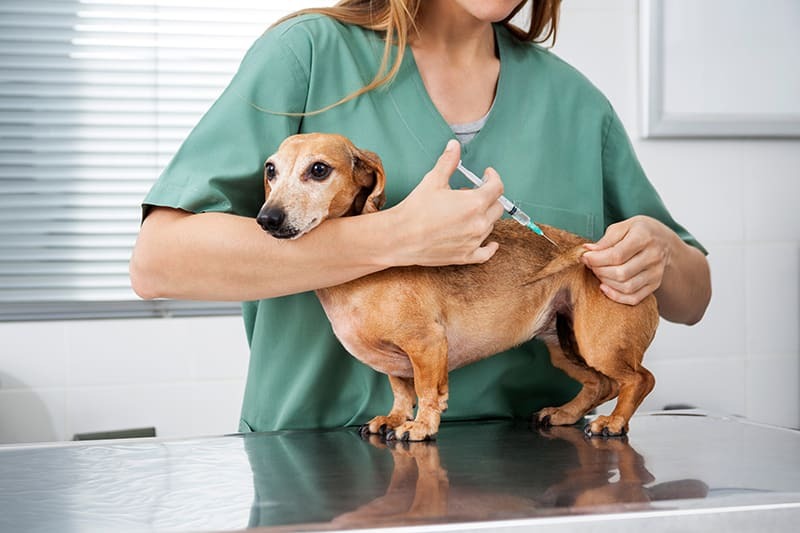
– Administer vaccines: Giving the appropriate vaccines based on your puppy’s age and risk factors
– Discuss parasite prevention: Recommending flea, tick, and heartworm prevention appropriate for Vancouver’s climate
Most puppies tolerate vaccines well, but mild side effects like soreness at the injection site, mild fever, or lethargy for 24-48 hours are normal. Serious reactions are rare but can include vomiting, diarrhea, facial swelling, or difficulty breathing. If you notice any concerning symptoms after vaccination, contact your veterinarian immediately.
Finding a Veterinarian in Vancouver
Choosing a trusted veterinarian is one of the most important decisions you’ll make as a new puppy owner. Look for a clinic that:
– Has positive reviews and recommendations from other dog owners
– Offers convenient hours and emergency services
– Communicates clearly and answers your questions patiently
– Provides transparent pricing
– Makes you and your puppy feel comfortable
Some well-regarded veterinary clinics in Vancouver include:
– Alta Vista Animal Hospital (Kitsilano)
– Burrard Animal Hospital (Downtown)
– Cambie Animal Hospital (Cambie Village)
– Fairmont Animal Hospital (South Vancouver)
– North Shore Veterinary Hospital (North Vancouver)
Schedule your puppy’s first vet visit within a few days of bringing them home, even if they’ve already received some vaccines from the breeder or shelter. Your vet will review their vaccination history, perform a health check, and create a customized vaccination schedule.
The Long-Term Benefits of Vaccination
Vaccinating your puppy isn’t just about protecting them during their vulnerable early months—it’s about setting them up for a long, healthy life. Properly vaccinated dogs are:
– Protected from life-threatening diseases: Vaccines prevent illnesses that can cause suffering, expensive treatment, and even death.
– Welcome in social settings: Boarding facilities, daycare, grooming salons, training classes, and dog parks require proof of vaccination.
– Safer for the community: Vaccinated dogs contribute to herd immunity, protecting vulnerable dogs who can’t be vaccinated due to age or health conditions.
– Less expensive to care for: Preventing disease is far more affordable than treating it. A full puppy vaccine series costs a few hundred dollars, while treating parvovirus can cost thousands.
As your puppy grows into an adult dog, continue to keep their vaccines up to date. Your veterinarian will recommend a schedule of boosters—some vaccines require annual boosters, while others (like rabies) may be effective for three years.
Final Thoughts
Vaccination is one of the simplest, most effective ways to protect your puppy’s health and give them the best possible start in life. By following your veterinarian’s recommended schedule, balancing protection with safe socialization, and staying informed about your puppy’s needs, you’re setting the foundation for a lifetime of health and happiness.
At Marpole Dog Walking & Boarding, we’re committed to the health and safety of every dog in our care. We require proof of up-to-date vaccinations for all dogs who join our daycare and boarding programs, and we’re always happy to answer questions about keeping your puppy healthy and safe.
References
[3] BC SPCA. (2025). *Puppy Health and Vaccination*. Retrieved from https://spca.bc.ca/
Learn more: choosing the right dog for your Vancouver lifestyle
Learn more: house training
Learn more: dog training classes in Vancouver
Ready to give your dog the best care in Marpole?
Your Questions About Dog Boarding & Daycare, Answered
When should I start vaccinating my puppy in Vancouver?
In Vancouver, it’s recommended to start your puppy’s vaccination series between 6 to 8 weeks of age. Your local veterinarian, like those at the Marpole Veterinary Clinic, can provide a tailored schedule based on your puppy’s health and breed. Early vaccination is crucial for protecting your new friend from common and serious diseases.
Are there any low-cost puppy vaccination clinics in
Yes, the BC SPCA offers low-cost vaccination services at their animal hospitals, including the one in Vancouver. It’s a good idea to check their website or call ahead for an appointment, as these services are in high demand. This can be a great option for making sure your puppy gets the protection they need without breaking the bank.
What are the core vaccines my puppy needs to live in
For a puppy living in an urban environment like Vancouver, the core vaccines are essential. These typically include Distemper, Adenovirus, Parvovirus, and Rabies. These vaccines protect against highly contagious and potentially fatal diseases that can be present in areas frequented by many dogs, such as local parks and trails.
Do I need to keep my puppy away from other dogs before they
It is highly recommended to limit your puppy’s exposure to unknown dogs and public spaces like dog parks until they have completed their full vaccination series, which is usually around 16 weeks of age. For socialization, you can arrange playdates with healthy, fully vaccinated adult dogs in a safe, private environment. This ensures your puppy develops social skills without being exposed to unnecessary risks.
AI Prompts
Try These AI Prompts
- Create a personalized puppy vaccination schedule for my 10-week-old French Bulldog puppy living in a condo in Yaletown, Vancouver. Include reminders for booking appointments at a vet clinic near me.
- List five puppy-friendly activities in Vancouver that are safe for a partially vaccinated puppy. Include details on why each activity is a good choice for socialization without high risk.
- Generate a list of questions to ask my Vancouver vet about the non-core vaccines, such as Bordetella (kennel cough), and whether my puppy needs them based on our lifestyle.
- Draft a polite and informative email to my apartment building’s strata council in Vancouver, requesting information on their policies for new puppies and any vaccination requirements for shared spaces like elevators or courtyards.
Related Reading
Next Steps: Puppy Vaccination Checklist
- Schedule your puppy’s first vet visit within the first few weeks of bringing them home.
- Follow the recommended core vaccination schedule and keep detailed records.
- Discuss non-core vaccines with your vet based on your puppy’s lifestyle in Vancouver.
- Plan safe socialization opportunities after initial vaccinations, like puppy classes or controlled meetups.
- Keep your puppy’s vaccination records handy for daycare, boarding, or travel.
- Stay informed about local outbreaks or health advisories through your vet or community groups.
Deep Dive AI Prompts
Use these prompts with ChatGPT or any AI assistant to explore this topic further:
- “Explain the differences between core and non-core vaccines for puppies in Canada and why each is important.”
- “What are the best practices for socializing a puppy in Vancouver while ensuring vaccination safety?”
- “Outline a detailed puppy vaccination timeline including boosters and common side effects to watch for.”
Frequently Asked Questions
When should I start vaccinating my puppy in Vancouver? Most puppies begin their vaccination series between 6 to 8 weeks old, with boosters every 3 to 4 weeks until about 16 weeks. Your local vet can tailor this schedule based on your puppy’s health and environment.
Are all vaccines required for every puppy in Vancouver? Core vaccines are recommended for all puppies, but non-core vaccines depend on your puppy’s lifestyle, travel plans, and exposure risks. Discuss with your vet which are necessary.
Can my puppy visit dog parks before completing all vaccinations? It’s best to wait until your puppy has received at least the initial core vaccines and your vet confirms it’s safe. Early socialization is important but should be balanced with disease prevention.
What should I do if my puppy misses a scheduled vaccine? Contact your vet promptly to reschedule. Delays can leave your puppy vulnerable, but your vet can help adjust the schedule safely.
Pingback: Dog Dental Care: Why It Matters and How to Start a Home Routine
Pingback: Affordable & Subsidized Vet Care in Vancouver: A Complete Guide
Pingback: Adopting a Rescue Dog in Vancouver: Everything You Need to Know
Pingback: Parasite Prevention in Vancouver: Protecting Your Dog Year-Round