
Dog Separation Anxiety in Vancouver:
A Calm Guide for Owners
Separation anxiety is not spite, stubbornness, or bad manners. For some dogs, being left alone triggers genuine distress, and owners can feel trapped between work, errands, neighbours, and concern for the dog they love.
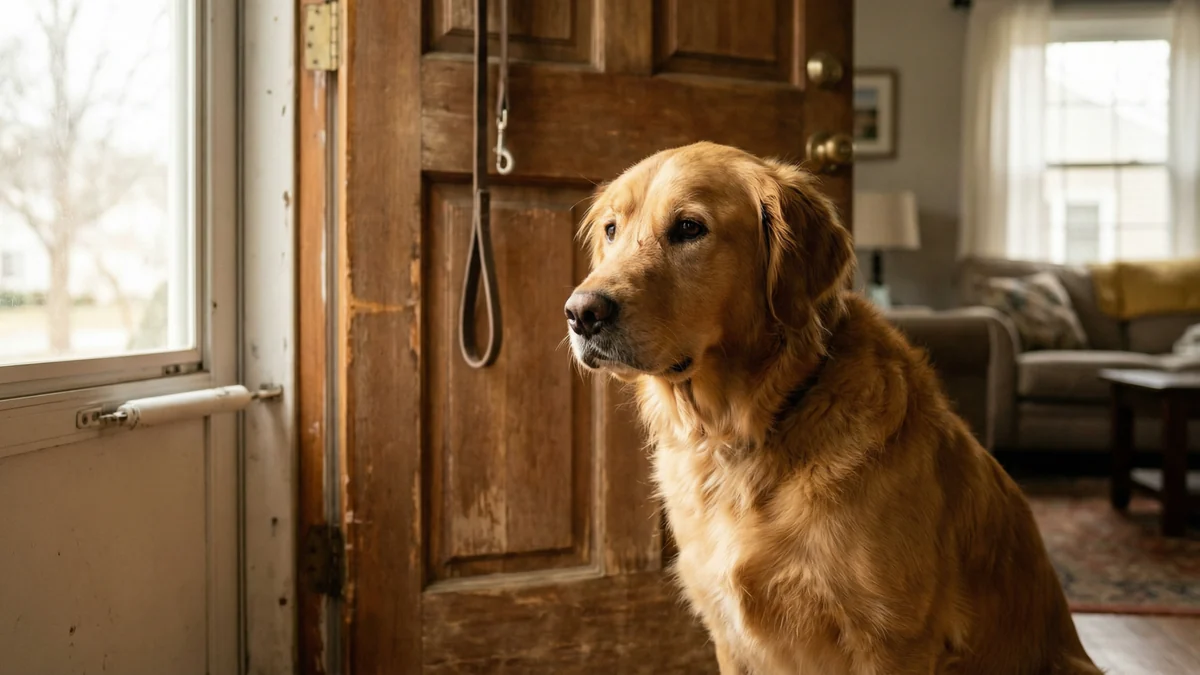
This guide explains how to tell the difference between boredom and panic, how to begin a careful alone-time plan, and when to involve a veterinarian or qualified behaviour professional. The goal is not to force independence overnight. The goal is to help your dog feel safer, one manageable step at a time.
Quick Answer
If your dog panics when left alone, start by preventing rehearsed panic whenever possible, recording short departures to understand what is happening, and practising absences that are short enough for your dog to remain calm. Severe cases should be discussed with a veterinarian and a qualified separation-anxiety professional.
Signs of Separation Anxiety
Separation anxiety usually appears when the dog is left alone or separated from a specific person. Signs can include:
- Howling, barking, or whining that begins soon after departure
- Destruction near doors, windows, crates, or exit points
- Pacing, panting, drooling, or trembling before or after you leave
- House soiling in a dog who is otherwise house trained
- Escape attempts that could cause injury
- Inability to eat treats or relax while alone
A camera can be extremely helpful. Many owners do not know whether the distress starts immediately, after 20 minutes, when hallway noise happens, or only on certain days. Short recordings give you better information and help a professional make a more useful plan.
Boredom, Habit, or Panic?
Not every chewed shoe is separation anxiety. A young dog may chew because they are teething, under-exercised, curious, or not yet ready for full freedom in the home. A dog may bark briefly at hallway noise and settle again. Those issues still matter, but they are different from panic.
True separation distress is more intense and specifically tied to being alone or separated. The dog may be unable to settle, may ignore food, and may show escalating distress rather than a short protest. If the signs are severe, do not try to push through by leaving for longer periods. That can make the fear stronger.
Alone-Time Support Boundary
Walks, daycare, or boarding can support some dogs, but true separation panic needs a careful plan and sometimes professional help.
- Dog care may help when boredom, routine gaps, or exercise needs are part of the problem.
- Get professional help when your dog panics, injures themselves, destroys exits, or cannot recover.
- Share honest alone-time history before booking walks, daycare, or boarding.
Telling the three apart
| Boredom | Under-exercised | Separation panic | |
|---|---|---|---|
| Timing | Starts after a while, once the dog runs out of things to do | Any time, including when you are home | Begins as you prepare to leave or within minutes of the door closing |
| What you find | Chewed items, raided bin, one “project” | General restlessness, pacing, zoomies | Damage at doors and windows, drool puddles, house soiling from a trained dog |
| Body language on camera | Relaxed between bouts, naps | Fidgety but eats and settles | Panting, whining, pacing, refuses food, never settles |
| The fix | Enrichment before you leave, rotate toys | More movement and sniffing earlier in the day | A gradual desensitization plan, often with a vet and a trainer |
A cheap camera (an old phone on a video call to another device works) settles the question in two or three departures. Note the exact minute the distress starts; that number is the starting point for the plan below.
Why This Comes Up So Often in Vancouver
Two local patterns drive many of the enquiries we hear. The first is the shift back to workplaces after years of working from home: dogs who spent their whole lives with someone in the apartment are suddenly alone eight hours a day. The second is density. In a Marpole or Marine Gateway tower, a barking dog is a strata matter within a week, and the pressure to “fix it fast” pushes owners toward shortcuts that backfire. Neither problem is the dog’s fault, and neither responds to punishment or to simply leaving the dog alone longer to “get used to it.”
If your building has raised a complaint, tell the strata council in writing what you are doing about it. A short letter describing the training plan, the professional you are working with and the interim measures (a midday walk, a daycare day, white noise) usually buys the time the plan needs.
First Steps That Help
Start with management. If possible, reduce unavoidable long absences while you begin training. That may mean help from family, neighbours, a pet sitter, flexible work, or carefully chosen dog care if your dog is comfortable in that setting.
Create a comfortable rest area, but do not assume a crate will solve the problem. Some dogs feel safer in a crate; others panic more when confined. Watch your dog’s body language and choose the setup that helps them settle most calmly.
Do not punish distress or leave your dog to panic as a training method. Make departures and returns low-key. Big emotional goodbyes and excited reunions can add intensity. Calm, predictable routines are usually easier for anxious dogs.
A Gradual Alone-Time Plan
Alone-time training works best when the dog practises absences they can handle. For some dogs, that may mean a few seconds at first. That can feel painfully slow, but staying under the panic threshold is the point.
- Set up a camera so you can see your dog after you step out.
- Pick a starting point your dog can handle calmly, even if it is only a few seconds.
- Leave briefly, return before distress appears, and keep the return boring.
- Repeat at a pace your dog can manage, with small changes in duration.
- Practise normal departure cues, such as shoes or keys, without always leaving.
- Keep notes so you can see patterns and avoid guessing.
Food toys can help some dogs, but they are not a cure. If your dog will not eat while you are gone, that is useful information. It may mean the absence is already too difficult.
Record What Happens, Without Testing to Panic
A short recording can help your veterinarian or behaviour professional understand the pattern. Do not extend an absence to find the point at which your dog becomes distressed.
- Context: Who left, who remained, the room or confinement setup and any unusual noise.
- Timing: When behaviour changed and what you observed, such as pacing, vocalizing or approaching an exit.
- Recovery: What happened after your return, without labelling the dog stubborn or guilty.
- Care plan: What supervision was available and which professional instructions apply.
Share recordings privately with the professional, not as a public test of your dog. The ASPCA separation-anxiety guide explains assessment and management. Our veterinarian guide can help you arrange the first conversation.
When to Get Professional Help
Ask your veterinarian for help if your dog may injure themselves, cannot be left even briefly, has sudden behaviour changes, or shows severe panic. Medical issues, pain, cognitive changes, and medication options may need to be considered.
For behaviour support, look for someone with specific separation-anxiety experience. A general manners class may not be the right fit. Certified Separation Anxiety Trainers, veterinary behaviour professionals, and humane behaviour consultants can help design a plan that matches your dog’s threshold.
Daily routine can also support progress, but it is not a replacement for treatment. Marpole Dog Walking & Boarding Service provides owner-operated care for a small number of trusted clients in Marpole and South Vancouver. If your dog has true separation anxiety, we will always encourage you to work with your veterinarian or a qualified behaviour professional as well.
Frequently Asked Questions
Should I get a second dog to fix separation anxiety?
Usually, no. Separation anxiety is often about distress when separated from people, not simply being without another dog. A second dog may help some dogs feel less alone, but it can also add stress or create two dogs with problems. Treat the separation issue first.
Will daycare fix separation anxiety?
Daycare can reduce alone time for dogs who enjoy it, but it does not teach a dog to feel safe at home alone. It can be part of management, not the whole treatment plan.
Can calming treats or anxiety wraps help?
Some dogs benefit from calming aids, but results vary. Ask your veterinarian before using supplements or medication, especially if your dog has health issues or takes other medications.
How long does separation-anxiety training take?
It varies widely. Some mild cases improve in weeks, while more serious cases can take months and may need professional support. Progress is usually gradual.
Related Guides
- Understanding Dog Reactivity
- Dog Training Classes in Vancouver
- Understanding Your Dog’s Body Language
- Dog Walking and In-Home Dog Care Services
- How Much Exercise Does Your Dog Need?
- Dog Walk Routes in Marpole
Need calm routine support in Marpole or South Vancouver? Check availability and tell us about your dog’s needs.
Check Boarding Availability & Fit